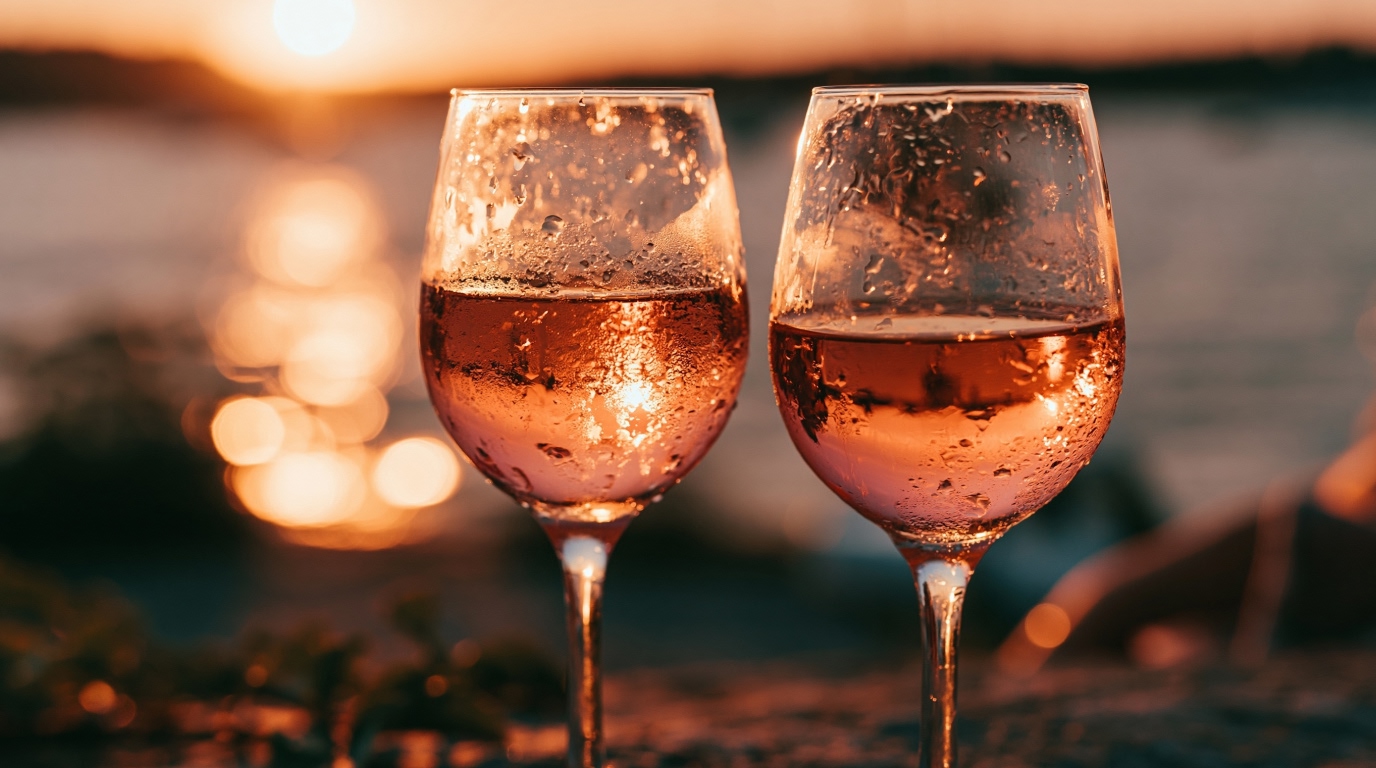
Orange wine is not a passing novelty dressed in a striking amber hue. It is one of wine’s oldest expressions: white grapes fermented with their skins, creating a glass that carries the fragrance of white wine, the structure of red wine, and a character entirely its own. For drinkers looking beyond familiar labels and predictable styles, it offers a more textured way to experience place.
Its color can range from pale gold to deep copper or burnished amber. Its flavors may recall dried apricot, orange peel, tea, wildflowers, orchard fruit, warming spice, or nuts. Yet color alone does not tell the story. The real appeal of orange wine lies in the meeting of grape, skin, time, and terroir.
What Is Orange Wine?
Orange wine is made from white grapes using extended skin contact. In conventional white winemaking, grapes are pressed shortly after harvest and the juice ferments without the skins. In red winemaking, the skins remain with the juice during fermentation, lending color, tannin, and structure. Orange wine follows that second approach, but with white grape varieties.
This technique is also called skin-contact white winemaking or amber winemaking. The latter name feels especially fitting for bottles whose color evokes Armenian sunlight over stone, honey, and aged gold.
Skin contact can last from a few days to many months. A shorter maceration may produce a fresher, more delicate wine with gentle grip. A longer maceration can bring firmer tannins, deeper color, savory complexity, and an almost gastronomic presence at the table. Neither approach is automatically better. The right style depends on the grape, the vintage, and the winemaker’s intent.
Orange Wine Has Ancient Roots
The modern attention around orange wine can make it seem new. Its foundations are ancient. Georgia is often recognized as a defining historic center of skin-contact winemaking, particularly through fermentation and aging in qvevri, large clay vessels buried underground. Across the wider Caucasus, wine culture has endured for millennia, shaped by mountain climates, native varieties, and traditions carried through generations.
Armenia belongs naturally in this conversation. The country is home to one of the world’s oldest known winemaking traditions, along with a remarkable range of high-altitude vineyards and indigenous grapes that deserve far more recognition in the global wine conversation. Here, amber wine is not a trend borrowed from elsewhere. It is a compelling continuation of a regional relationship with grapes, clay, stone, and time.
That heritage does not require a museum-piece approach. Contemporary Armenian producers can honor historic methods while applying precision in vineyard selection, fermentation management, and aging. The result can be expressive and cultured rather than rustic for its own sake: wines with clarity, balance, and a sense of origin.
What Orange Wine Tastes Like
The simplest answer is that it depends. An orange wine made from aromatic Muscat will not taste like one made from a restrained, mineral-driven grape. Fermentation vessel, skin-contact duration, oxidation, sulfur use, and bottle age all play meaningful roles.
Still, certain sensations appear often. Expect more texture than you would find in most conventional white wines. Tannins can register as a subtle drying sensation on the gums, similar to the grip of steeped tea. Acidity brings lift and freshness, while skin contact adds flavors that can move from citrus zest and ripe pear toward chamomile, dried stone fruit, almond, spice, and savory herbs.
This is why orange wine can be such a rewarding first step for red wine drinkers who claim they do not enjoy white wine. It offers body and structure without relying on dark fruit or heavy oak. At the same time, white wine lovers often appreciate its aromatic complexity and refreshing energy.
A well-made amber wine should not feel like a challenge issued from across the table. It should feel complete. The tannin should frame the fruit rather than overwhelm it, and its savory notes should deepen the experience rather than disguise flaws.
Armenian Grapes Bring a Distinctive Voice
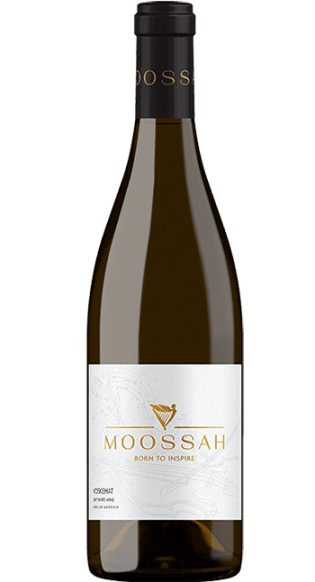
Native varieties make the category especially exciting. Voskehat, one of Armenia’s most celebrated white grapes, is prized for its freshness, floral character, and ability to express vineyard conditions. With skin contact, it can develop a more layered personality: orchard fruit, dried apricot, citrus peel, mountain herbs, and a poised phenolic structure.
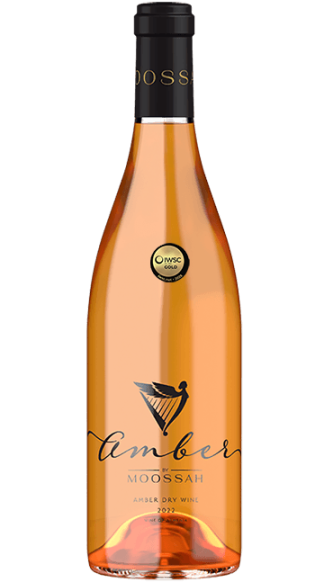
Blending Voskehat with Muscat can add another dimension. Muscat contributes lifted perfume and generous floral notes, while Voskehat can bring line, texture, and balance. In an amber style, this partnership can create a wine that is fragrant without becoming sweet, structured without losing grace.
At Moossah Wines, this spirit is embodied in an amber blend of Voskehat and Muscat, a wine recognized with an IWSC Trophy for its 2022 vintage. That distinction matters not simply as a medal, but as evidence that Armenian native grapes and skin-contact winemaking can stand confidently on an international stage.
How to Serve Orange Wine Well
Orange wine is often served too cold. Straight from a refrigerator, its aroma and texture can close down, leaving tannin more pronounced and nuance harder to find. A lightly chilled temperature is usually better – roughly 55 to 60 degrees Fahrenheit for fresher examples, or slightly warmer for more structured, age-worthy bottles.
Use a generous white wine glass or a universal wine glass. The broader bowl gives aromatic wines room to open, and it helps you notice the contrast between floral notes, fruit, spice, and earth. If the bottle has been resting for a while, stand it upright before serving. Some skin-contact wines may show a light sediment, which is not necessarily a defect.
Give the wine a few minutes in the glass. The first sip may introduce texture before flavor. By the second or third, the wine often becomes more articulate. That gradual unfolding is part of its pleasure.
Food Pairings That Make Orange Wine Shine
Orange wine earns its place at the table because it crosses categories so naturally. Its acidity can cut through rich foods, while its tannin gives it the authority to handle spice, smoke, and savory depth. It is particularly at home with dishes that might overwhelm a delicate white wine but feel too light for a powerful red.
Think roasted chicken with herbs, grilled trout, pork with apricot or plum, mushroom dishes, lentils, and aged cheeses. The wine’s subtle bitterness can be excellent with charred vegetables, tahini, walnuts, and preserved lemon. It also has a natural affinity for Armenian and Middle Eastern flavors: dolma, spiced lamb, lavash, eggplant, dried fruit, fresh herbs, and nuts.
For a simple but memorable pairing, serve an amber wine alongside a board of sheep’s milk cheese, dried apricots, roasted almonds, olives, and warm flatbread. The wine does not need to compete with the food. It becomes the thread that brings sweet, salty, herbal, and savory elements together.
Choosing Your First Bottle
If you are new to the style, begin with a dry orange wine that has clear fruit, balanced acidity, and moderate skin contact. Look for a producer that identifies the grape varieties and region, because orange wine is a method rather than one fixed flavor profile. A bottle from a recognizable origin gives you a better sense of what you are tasting.
Do not assume that cloudy means better, that extreme tannin means more authentic, or that every amber wine must taste oxidative. Some are fresh and polished; others are deeply savory and contemplative. The pleasure is in discovering where your own palate lands.
Open a bottle when dinner deserves more than a default choice. Let it sit in the glass, share it with people who are curious, and allow a wine shaped by ancient practice to make the evening feel newly connected to place.