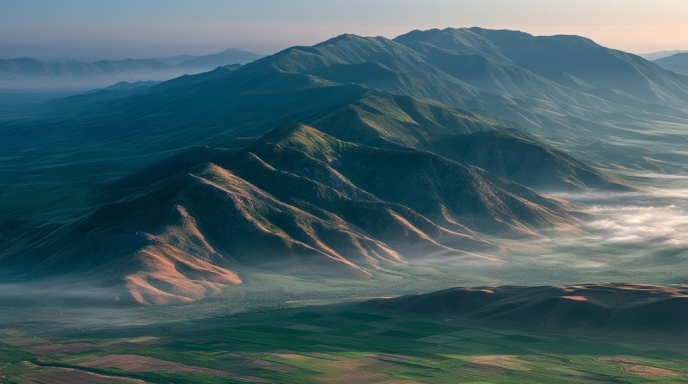
At the entrance to a mountain valley in southeastern Armenia, vines cling to a landscape of stone, sun, and dramatic elevation. The Vayots Dzor wine region is not a recent discovery dressed in ancient imagery. It is a place where wine has been part of life for millennia, and where a new generation of producers is showing the world that Armenia belongs in serious conversations about distinctive, terroir-driven wine.
For curious drinkers, Vayots Dzor offers something increasingly rare: bottles that feel genuinely specific. Its wines are shaped by native grapes, high-altitude vineyards, dry continental conditions, and a culture that never lost its relationship with the vine. Most famously, this is the home of Areni Noir, a red grape capable of producing wines with perfume, freshness, fine tannin, and a quiet but memorable authority.
Vayots Dzor Wine Region: A Mountain-Born Identity
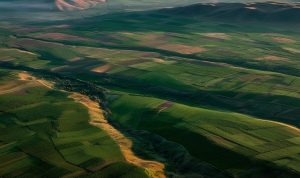
Vayots Dzor lies in Armenia’s southeast, a rugged province defined by ravines, mountains, and the Arpa River valley. Vineyards here commonly sit at elevations that would surprise those who associate warm, sunny climates with broad, low-lying wine country. Warm days encourage full flavor development, while cool nights help preserve acidity – the structural energy that keeps a wine vivid at the table.
The result is balance rather than sheer weight. Even when the sun is generous, Vayots Dzor reds can retain lift and detail. Whites and amber wines can show clarity beneath their texture. This is one reason the region speaks so directly to contemporary wine lovers: its wines often feel ripe enough to be inviting, yet fresh enough to remain compelling beyond the first glass.
The soils vary from site to site, with limestone, clay, volcanic material, and rocky alluvial deposits contributing to the region’s complexity. It would be too simple to say every vineyard tastes the same because it sits in Vayots Dzor. Exposure, elevation, vine age, farming choices, and cellar work all matter. But the region’s stony, dry character often appears in the finished wine as freshness, savory nuance, and a sense of restraint.
A Wine Story Older Than the Modern Wine World
Vayots Dzor holds one of Armenia’s most powerful cultural claims: the Areni-1 cave complex, near the village of Areni, revealed evidence of ancient winemaking dating back more than 6,000 years. Archaeologists uncovered tools and vessels associated with grape processing and fermentation, offering a remarkable window into early wine culture.
That history matters, but not as a museum piece. It changes how a bottle from this region can be understood. Armenian wine is not an imitation of Europe’s established classics, nor a new-world experiment seeking borrowed prestige. It comes from one of wine’s original homelands, now being interpreted with greater precision, ambition, and international reach.
There is a meaningful distinction between ancient heritage and modern quality. A historic wine region still needs careful vineyard management, clean cellar practices, thoughtful aging, and an exacting palate. The most exciting producers in Vayots Dzor honor both sides of that equation: they preserve local varieties and regional character while making wines that meet the expectations of a discerning modern table.
Areni Noir: The Signature Red Grape
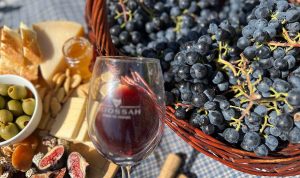
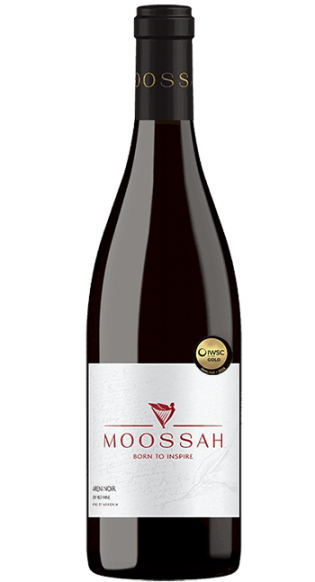
Areni Noir is the grape most closely associated with Vayots Dzor, and it deserves attention beyond its historical appeal. In thoughtful hands, it makes reds that can be aromatic and ruby-colored, with notes that may call to mind sour cherry, red plum, pomegranate, dried rose, wild herbs, and warm spice. Its tannins are often fine rather than forceful, making it a graceful alternative for drinkers who enjoy Pinot Noir, Etna reds, cooler-climate Syrah, or elegant Mediterranean wines.
Still, Areni Noir should be approached on its own terms. It is not Armenia’s answer to another grape. Its appeal lies in its own balance of red-fruit brightness, earthy savory tones, and mountain freshness. Depending on the vintage and the winemaking approach, it can be light on its feet and immediately expressive, or more structured and age-worthy after time in oak.
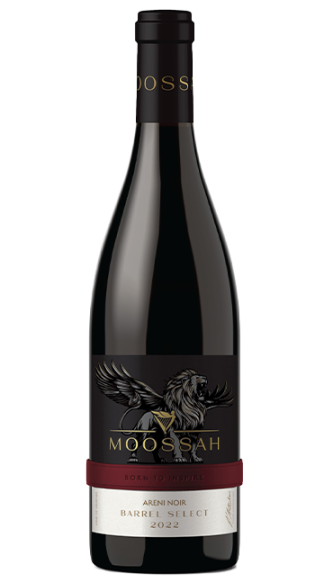
Oak is a decision that deserves nuance. A carefully judged period in barrel can broaden Areni Noir’s texture and introduce notes of cedar, baking spice, or cocoa without obscuring its lifted fruit. Too much new oak, however, can flatten the grape’s distinctive voice. For collectors and enthusiasts, the most rewarding examples are often those where the wood serves the wine rather than announcing itself first.
Moossah’s Areni Noir reflects this philosophy of place and precision: a wine rooted in Armenia’s native vineyards, made to carry the region’s character with polish rather than disguise it.
Beyond Red Wine: White, Amber, and Rosé Possibilities
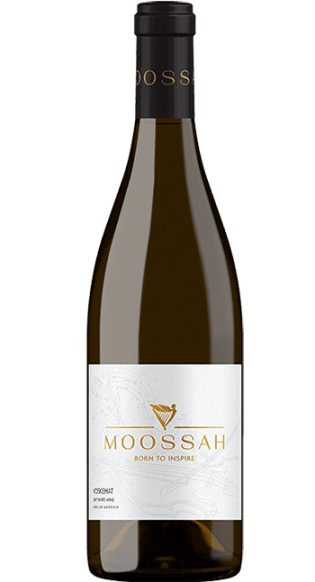
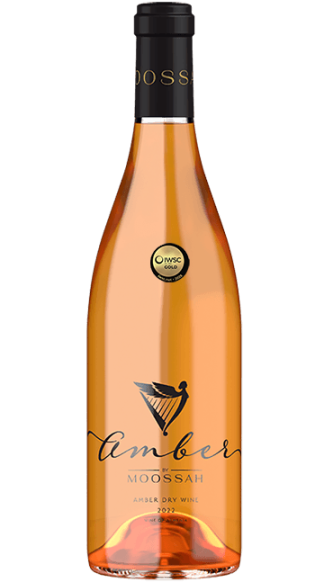
Although Areni Noir commands much of the conversation, Vayots Dzor is part of a broader Armenian wine landscape with room for multiple styles. Native white grapes such as Voskehat can produce dry, mineral-driven wines with orchard fruit, citrus, floral lift, and a gently textured palate. In amber wine, extended contact between juice and grape skins can bring deeper color, tea-like tannin, dried apricot, spice, and a more gastronomic shape.
Amber wine is not automatically a better choice than white wine; it is a different experience. A crisp, dry white may be ideal for a first course, warm weather, or a simple plate of grilled fish. An amber wine has more grip and can be particularly rewarding beside richer dishes, aged cheeses, roasted squash, mushrooms, or spice-forward cuisine. The best choice depends on the meal and on whether the drinker wants refreshment, texture, or both.
Rosé also has a natural place in Armenia’s wine story. Made from local red grapes, it can carry vivid berry fruit while keeping the brightness needed for grilled vegetables, salmon, kebabs, or a long summer dinner. For anyone accustomed to predictable international rosé, Armenian examples offer a more regional perspective without demanding expert-level wine knowledge.
What Vayots Dzor Wines Taste Like at the Table
The quickest way to understand the Vayots Dzor wine region is not through a map. It is through food. These are wines born from a culinary culture that values herbs, smoke, grilled meats, vegetables, fresh cheese, dried fruit, and layers of spice. Their natural acidity and savory edge make them particularly generous with meals.
Pour a lightly chilled Areni Noir beside lamb kebabs, grilled eggplant, duck, pork tenderloin, or a mushroom dish. The wine’s red-fruit profile and fine tannins tend to complement char and spice without overwhelming more delicate flavors. If the bottle is barrel-aged and fuller in texture, bring it toward braised lamb, beef, lentils, or aged hard cheeses.
A dry Armenian white can be excellent with trout, scallops, chicken with lemon and herbs, or salty cheeses. Amber styles have the structure to meet roasted poultry, pork, walnuts, caramelized onions, and dishes where a conventional white would disappear. There is no need to reserve these wines only for Armenian food. Their appeal is precisely that they bring a fresh regional voice to familiar meals.
Serving temperature matters. Red wines from Vayots Dzor are often more expressive around 58 to 62 degrees Fahrenheit than at a warm room temperature. A brief chill can sharpen aromatics and make the tannins feel more refined. Whites should be cool but not icy, while amber wines benefit from a slightly warmer pour than a simple crisp white so their texture and aromatics can unfold.
A Region Worth Seeking, Not Just Sampling
Vayots Dzor is compelling because it offers more than novelty. Its wines have provenance, but they also have purpose. They are for people who want a bottle with a story they can taste: a native grape shaped by elevation, a region that carries ancient winemaking memory, and a modern wine culture ready to be judged by what is in the glass.
For the seasoned collector, the region invites comparison and cellar curiosity. For the adventurous beginner, it offers a welcoming first step into Armenian wine, especially through fresh, fragrant Areni Noir or textured Voskehat. The point is not to replace every familiar bottle on the table. It is to make room for a wine tradition that has been waiting, with remarkable patience, to be experienced and remembered.
The next time a dinner calls for a wine with real conversation behind it, choose a bottle from Vayots Dzor and let the mountain landscape speak first.