When you first pour a glass of armenian wine, you are not just tasting a beverage; you are sipping liquid history. Armenia is home to some of the oldest winemaking traditions on earth, blending ancient heritage with a vibrant modern revival. In fact, wine lovers around the world are rediscovering this captivating region, drawn by its unique grape varieties and dramatic volcanic terroir. Whether you are a curious novice or an experienced collector, this beginner’s guide will help you navigate this fascinating landscape.
Unearthing the History of Armenian Wine
To understand the soul of these bottles, we must travel back more than six millennia. Is Armenia the birthplace of wine? Archaeological evidence strongly suggests so. In 2007, researchers in the Vayots Dzor region discovered the Areni-1 cave complex, which houses the oldest known winery in the world, dating back to approximately 4100 BC.
Consequently, this deep-seated relationship with the vine makes armenian wine a living artifact of human culture. For thousands of years, local families have passed down ancient techniques through generations. Even during periods of geopolitical shift, the love for the vineyard remained unbroken. Today, this rich legacy is being celebrated globally by enthusiasts who appreciate authentic, historically rooted flavors.
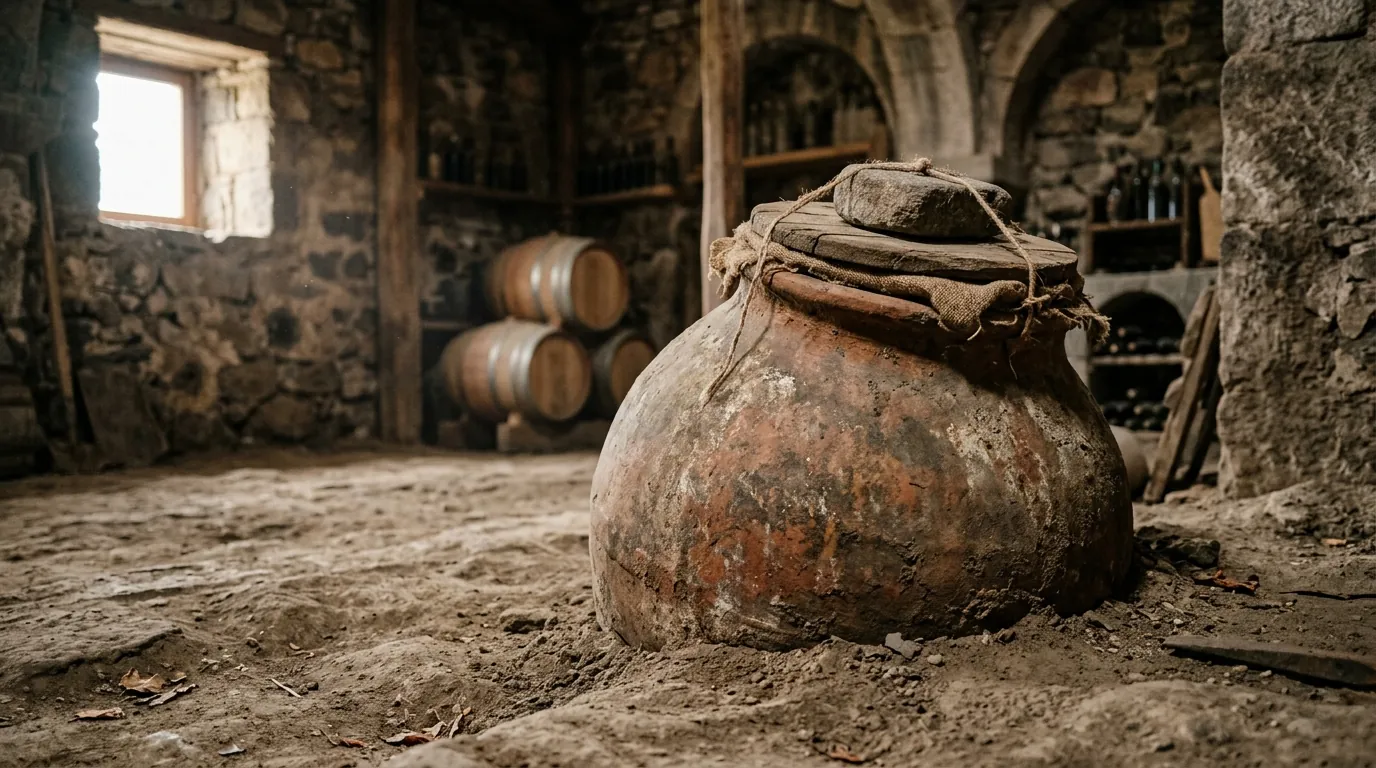
A central part of this history is the karas. But what is a karas in winemaking? Essentially, a karas is a large, egg-shaped clay vessel used for fermenting and aging wine. Historically, these vessels were buried underground to maintain a naturally cool, stable temperature. This ancient method allows the wine to breathe and develop complex, earthy textures without the heavy oak influence common in Western styles.
Key Regions and Volcanic Terroir
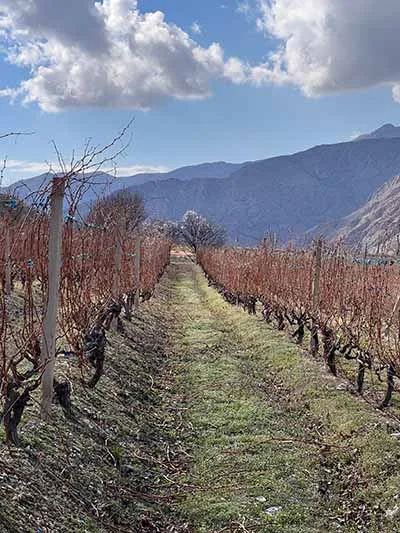
The geography of Armenia plays a vital role in the character of its wines. What are the key Armenian wine regions? The most famous is Vayots Dzor, characterized by high altitudes, dramatic cliffs, and volcanic soils. Meanwhile, Aragatsotn, located near the majestic Mount Aragats, offers a cooler climate that produces elegant, crisp whites and structured reds.
In addition, the Tavush region in the north is known for its lush forests and milder weather, which yield fresh, aromatic profiles. To truly understand armenian wine, one must look to these diverse microclimates. The high elevation—often over 1,000 meters above sea level—means intense sunlight during the day and cool mountain air at night. As a result, the grapes retain excellent natural acidity while developing concentrated fruit flavors.
Essential Grapes and Flavor Profiles
Armenia is home to hundreds of indigenous grape varieties, many of which grow on their own original roots. Unlike European vineyards, many Armenian vines escaped the devastating phylloxera epidemic of the late 19th century. Consequently, these ancient vines offer pure, unaltered expressions of the land.
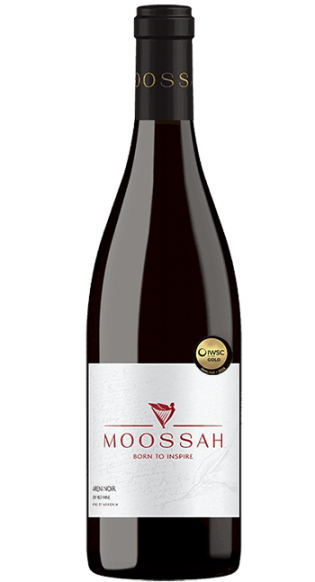
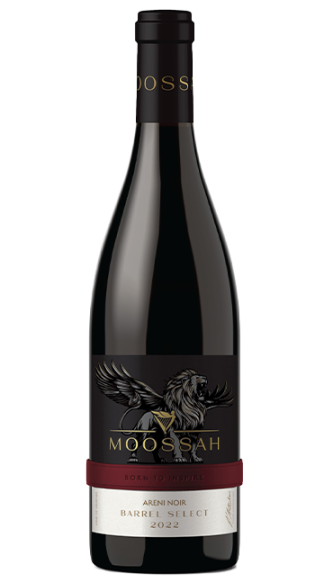
Indeed, if you are wondering what armenian wine tastes like, the answer lies in these unique native grapes. The king of red grapes is Areni Noir (often simply called Areni). But what is the Areni grape? It is a thick-skinned, resilient variety that thrives in the rocky, high-altitude soils of Vayots Dzor. It typically produces medium-bodied red wines with bright acidity, soft tannins, and elegant notes of red cherry, black pepper, and wild herbs.
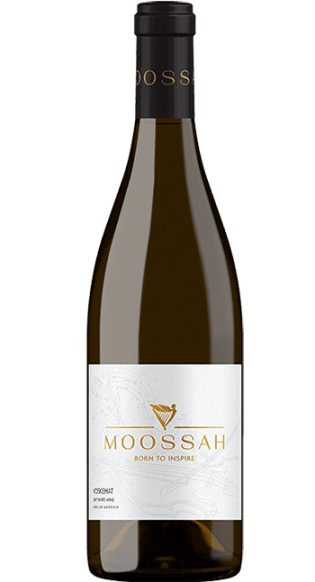
On the white side, Voskehat (meaning “golden seed”) reigns supreme. It yields expressive, medium-to-full-bodied wines with aromas of stone fruits, white flowers, and fresh mountain honey. If you want to taste these traditions brought to life with modern precision, we invite you to explore Moossah’s wines. Our collection beautifully honors these indigenous grapes, balancing ancient techniques with contemporary elegance.
Beyond the Vine: Pomegranate Wine
While grape wines form the backbone of the country’s heritage, you cannot explore this region without encountering another legendary fruit. What is Armenian pomegranate wine? Pomegranates are a national symbol of fertility, abundance, and good fortune in Armenia.
For centuries, winemakers have fermented this royal fruit to create a vibrant, deeply crimson beverage. A high-quality pomegranate wine balances sweet, tart fruitiness with a pleasant tannic structure. However, it should not be confused with overly sweet dessert wines; the best examples are crafted as dry or semi-dry styles that pair wonderfully with savory dishes or soft cheeses.
A Beginner’s FAQ: Is Armenian Wine Good?
As the world rediscovers these ancient valleys, many newcomers ask: Is armenian wine good? The short answer is a resounding yes. In fact, prestigious international competitions and top wine critics consistently award high scores to Armenian labels.
As Forbes reported, the country’s modern wine industry is a place where “what’s old is new again.” Winemakers are combining ancient tools, like the clay karas, with state-of-the-art cellar technology. This harmonious marriage of the prehistoric and the modern has sparked a global curiosity about armenian wine, proving that these unique profiles can stand proudly alongside the finest bottles from France, Italy, or Napa Valley.
If you are ready to begin your journey, we suggest starting with a classic Areni Noir or a crisp Voskehat. Pour a glass, let it breathe, and allow yourself to be transported to the sun-drenched, volcanic slopes where winemaking first began. Cheers to your next great discovery!