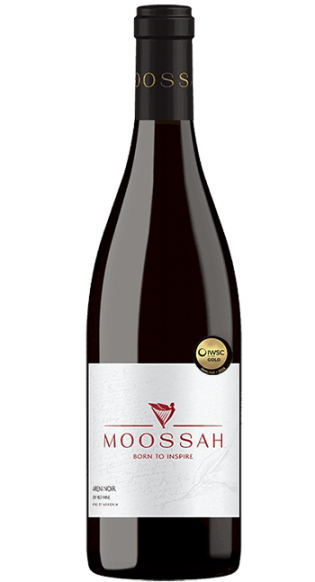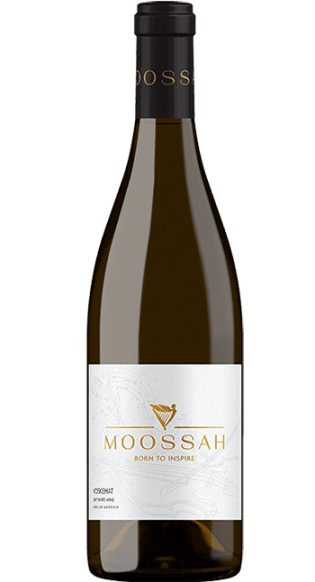
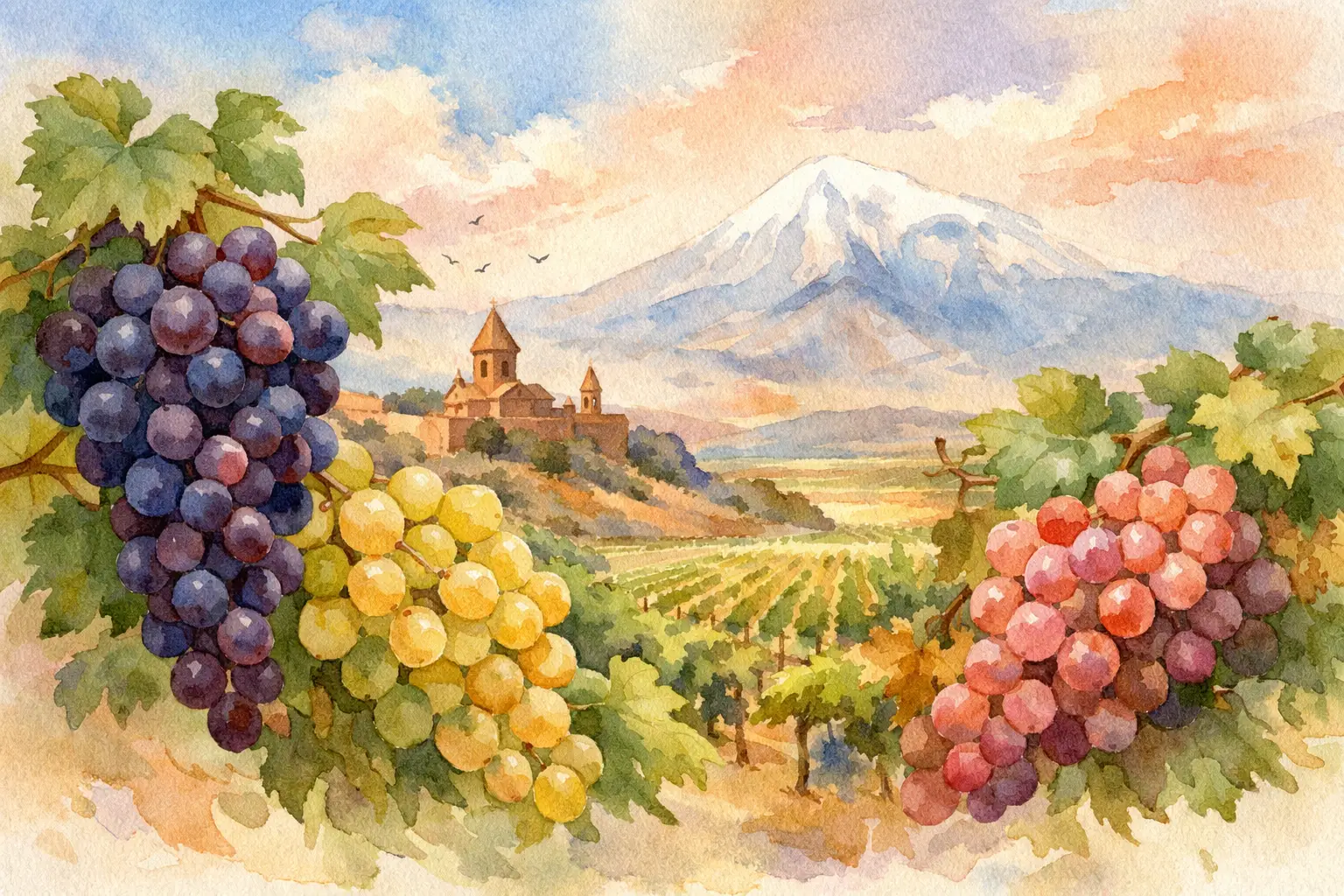
A pale gold wine with mountain freshness. A red that carries wild cherry, dried herbs, and fine-boned structure. A rosé with the scent of summer fruit and a serious, food-ready finish. Armenian grape varieties offer these experiences because they were shaped not by a single famous wine region, but by a highland country of volcanic soils, fierce sun, cool nights, and vineyard traditions that reach back thousands of years.
For drinkers accustomed to Chardonnay, Cabernet Sauvignon, and Pinot Noir, Armenia can feel like a thrilling change of map. Its native grapes do not ask to imitate the familiar. They express a distinct place: rugged, generous, ancient, and increasingly precise in the hands of a new generation of winemakers.
Why Armenian Grape Varieties Taste So Distinctive
Armenia sits at the cultural crossroads of the South Caucasus, where wine has long been woven into family tables, religious life, agriculture, and hospitality. The country’s vineyard sites often sit at striking elevations, commonly between 3,000 and 5,500 feet above sea level. That altitude matters. Warm days help grapes ripen fully, while cool evenings preserve acidity and aromatic lift.
Soils add another layer. In areas such as Vayots Dzor and Aragatsotn, vineyards may grow in rocky, volcanic, limestone-rich, or alluvial ground. The result is not one uniform Armenian style. A white from the highlands can feel crisp and stony, while a red from a warmer valley may be more generous and dark-fruited. Vintage, elevation, vine age, farming, and cellar choices all matter as much as the grape itself.
The most compelling bottles make this complexity legible. They can be immediately pleasurable, yet leave a drinker with a sense that there is more to notice in the next glass.
Voskehat: Armenia’s Golden White Grape
Voskehat translates roughly as “golden seed,” a fitting name for one of Armenia’s most celebrated white varieties. It is capable of making wines with generous texture without losing their poise. Depending on site and winemaking, expect orchard fruit, citrus peel, white flowers, melon, and subtle almond notes, often carried by a lively mineral line.
In a dry white style, Voskehat can be a natural choice for people who enjoy the balance of freshness and quiet richness found in quality Rhône whites or textured Italian whites. It is not a substitute for either. Voskehat often brings its own sunny, herbal character, with acidity that makes it especially useful at the table.
Serve it lightly chilled, rather than ice-cold, to let its perfume open. It shines with grilled branzino, roast chicken with herbs, creamy cheeses, shellfish, and dishes that bring together citrus, garlic, and olive oil. A leaner, steel-aged bottling will emphasize brightness and fruit; a more textural expression, whether shaped by lees contact, oak, or skin contact, can take on a broader, more savory dimension.
Voskehat in amber wine
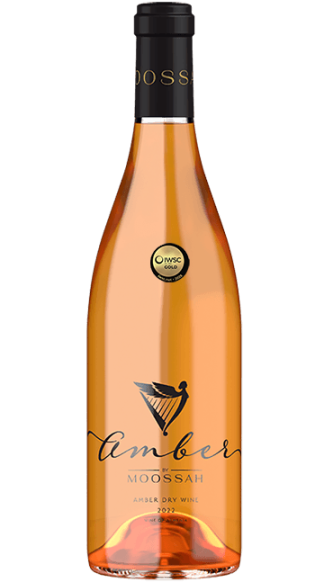
Voskehat also has a remarkable second life as an amber, or orange, wine. Here, white grapes ferment with their skins, borrowing tannin, color, and a more complex aromatic profile from the process. The wine may show dried apricot, tea, orange peel, honeyed spice, nuts, and herbs, while retaining the grape’s underlying energy.
This is an invitation to slow down, not a category that needs to be intimidating. Amber Voskehat is beautiful beside roasted squash, mushrooms, charcuterie, aged cheeses, and dishes with warm spices. Its gentle grip makes it unusually adaptable with food. At Moossah, the Amber 2022 earned an IWSC Trophy, proof that an ancient-minded style can stand confidently on the contemporary global stage.
Areni Noir: The Red Grape of Vayots Dzor
Areni Noir is the red variety most closely associated with Armenia’s modern wine renaissance. It is especially at home in Vayots Dzor, a dramatic southeastern region known for high-elevation vineyards, dry conditions, and a long record of viticulture. The grape produces reds with vivid red fruit, floral and herbal detail, fresh acidity, and tannins that tend toward elegance rather than sheer weight.
The easiest comparison is Pinot Noir, but it is only a starting point. Areni Noir can share Pinot’s perfume and light-on-its-feet structure, yet it often has a more sun-warmed core, with sour cherry, pomegranate, raspberry, black tea, pepper, and mountain herb notes. Some examples develop earthy, savory qualities with age. Others remain exuberantly fresh.
This balance is the appeal. Areni Noir is expressive enough for an experienced collector who values transparency of place, but approachable for someone who simply wants a red that will not overwhelm dinner. Try it with lamb kebabs, grilled pork, duck, lentils, eggplant, tomatoes, and dishes seasoned with cumin, paprika, or fresh herbs.
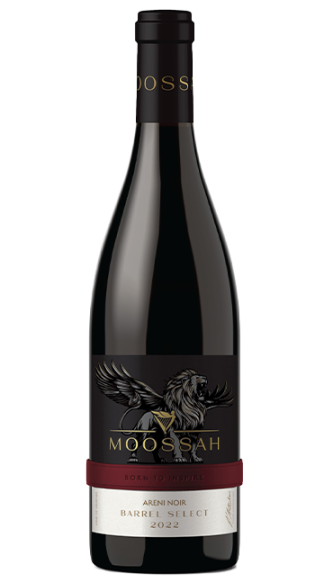
Oak is a meaningful decision with Areni Noir. Used with restraint, it can add spice, shape, and a longer finish while allowing the grape’s floral fruit to remain visible. Extended barrel maturation can create a more cellar-worthy expression, but too much new oak can blur the very personality that makes Areni compelling. The best choice depends on the occasion: a youthful bottling for brightness and ease, or a barrel-aged selection for depth and contemplation.
Milagh: A Rosé Grape With Real Character
Milagh is less familiar internationally than Voskehat or Areni Noir, which is exactly part of its charm. Made as rosé, it can deliver a color and aroma that feel celebratory while still offering the dry, composed finish premium wine drinkers expect. Look for red berries, watermelon, rose petal, and gentle citrus notes, with enough freshness to make another sip feel inevitable.
Great rosé should never be treated as a lesser wine or merely a warm-weather accessory. Milagh rosé belongs at a long lunch, beside grilled salmon, spicy mezze, fresh salads, or even a pizza with summer vegetables and salty cheese. Its character sits somewhere between refreshment and presence: bright enough for an aperitif, structured enough to stay interesting once the meal arrives.
Muscat and the Pleasure of Perfume
Muscat is a broad family rather than one single Armenian-exclusive grape, but it has an expressive role in Armenian winemaking. Its appeal is immediate: orange blossom, grape skin, peach, lychee, and fresh citrus can rise from the glass with unmistakable fragrance. In a blend, Muscat can bring aromatic lift to a more restrained variety such as Voskehat.
That perfume does not automatically mean sweetness. A well-made dry amber blend of Voskehat and Muscat can be savory, textured, and layered, with floral notes held in tension by tannin and acidity. It is a style for drinkers who enjoy fragrance but want a wine that remains serious at the table.
Other Grapes to Watch in Armenia
Armenia’s viticultural story extends well beyond the varieties most visible on restaurant lists. Kangun, a white variety developed in the Soviet era, can make fresh, dependable wines and is widely planted. Haghtanak, a red crossing whose name means “victory,” is often valued for deeper color and fuller body. There are also many local grapes preserved in small vineyards and family plots, some known more within their home regions than outside them.
This diversity deserves patience rather than a rush to label every grape the next big thing. Some varieties have a clear international future; others may remain local treasures. Both outcomes have value. A wine culture becomes more interesting when it protects what is distinctive instead of forcing every vineyard into a familiar commercial mold.
How to Taste Armenian Wine With Confidence
Start with the wine in front of you, not with a test of grape-variety knowledge. Notice whether the first impression is floral, fruity, herbal, stony, or savory. Then take a sip and pay attention to weight, acidity, tannin, and finish. Armenian wines often reveal their character most clearly after a few minutes in the glass, especially reds and amber styles.
For a first exploration, begin with dry Voskehat and Areni Noir. They provide a clear introduction to the country’s white and red identities. Add a Milagh rosé when you want something lively and versatile, then move to amber Voskehat or a Voskehat-Muscat blend when you are ready for texture, spice, and a little more conversation at the table.
The reward is more than a new bottle to recognize. It is a chance to taste a living wine culture that has kept its own vocabulary through centuries of change. Pour Armenian wine with food, with friends, and with enough time to let the mountains, fruit, and memory speak.