A bottle of Armenian wine can begin with a familiar question – red, white, rosé, or orange – and lead somewhere entirely new. Its grapes may be unfamiliar to an American palate, but their appeal is immediate: mountain freshness, vivid texture, savory detail, and a sense that the wine could only have come from one place.
Armenia is not a newly invented wine destination. Winemaking is woven into the country’s cultural memory, from ancient vineyard sites to family tables where food, hospitality, and conversation are inseparable. What feels new is the wider recognition of Armenian wines made with precision, confidence, and an uncompromising belief in native varieties.
For drinkers who have moved beyond the usual Cabernet, Pinot Grigio, and Sauvignon Blanc rotation, Armenia offers a different kind of luxury. It is not rarity for rarity’s sake. It is the pleasure of tasting a living wine culture expressed through grapes that have adapted to Armenia’s elevations, soils, sunlight, and dramatic shifts between warm days and cool nights.
What Makes Armenian Wine Distinct
The most compelling Armenian wines start with endemic grapes. Rather than treating international varieties as the main attraction, Armenia’s leading producers are bringing names such as Areni Noir, Voskehat, Muscat, and Milagh into sharper focus. These varieties carry a recognizable identity, but they also reward curiosity. A first sip can feel approachable; a second often reveals something more layered.
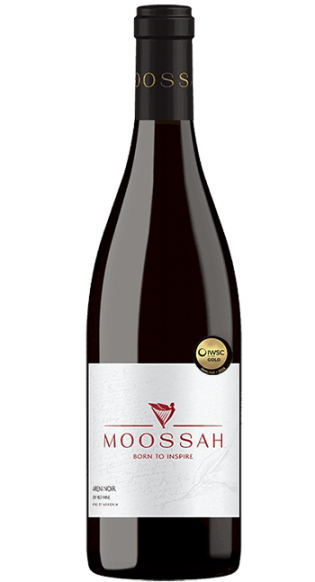
Areni Noir is Armenia’s defining red grape. It frequently offers red cherry, pomegranate, dried rose, wild herbs, and a fine, peppery grip. At its best, it has an elegance that may appeal to Pinot Noir drinkers, though the comparison only goes so far. Areni Noir often brings more sun-warmed fruit, a savory edge, and a distinctly volcanic or stony feeling depending on the vineyard.
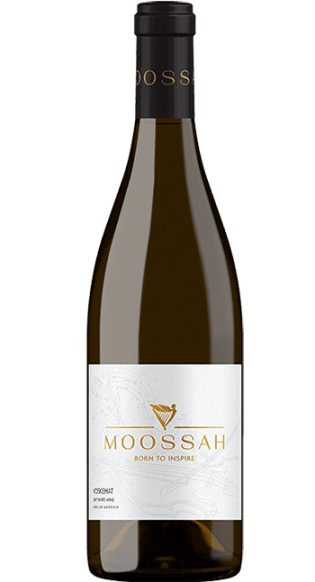
Voskehat, whose name translates as “golden seed,” is one of the country’s signature white grapes. In a dry white wine, it can show orchard fruit, citrus peel, white flowers, and mineral tension. It has enough character to stand beside richer dishes without becoming heavy. In skin-contact form, Voskehat takes on another dimension: amber color, tea-like tannin, dried apricot, spice, and a textured finish that makes orange wine feel like a serious table wine rather than a passing trend.
Muscat contributes aromatic lift, often with notes of blossom, grape skin, peach, and spice. When used thoughtfully in an amber blend, it can bring perfume and generosity without sacrificing structure. Milagh, meanwhile, is an exciting local grape for rosé, capable of producing a wine with bright berry fruit, refreshing acidity, and enough presence for a meal.
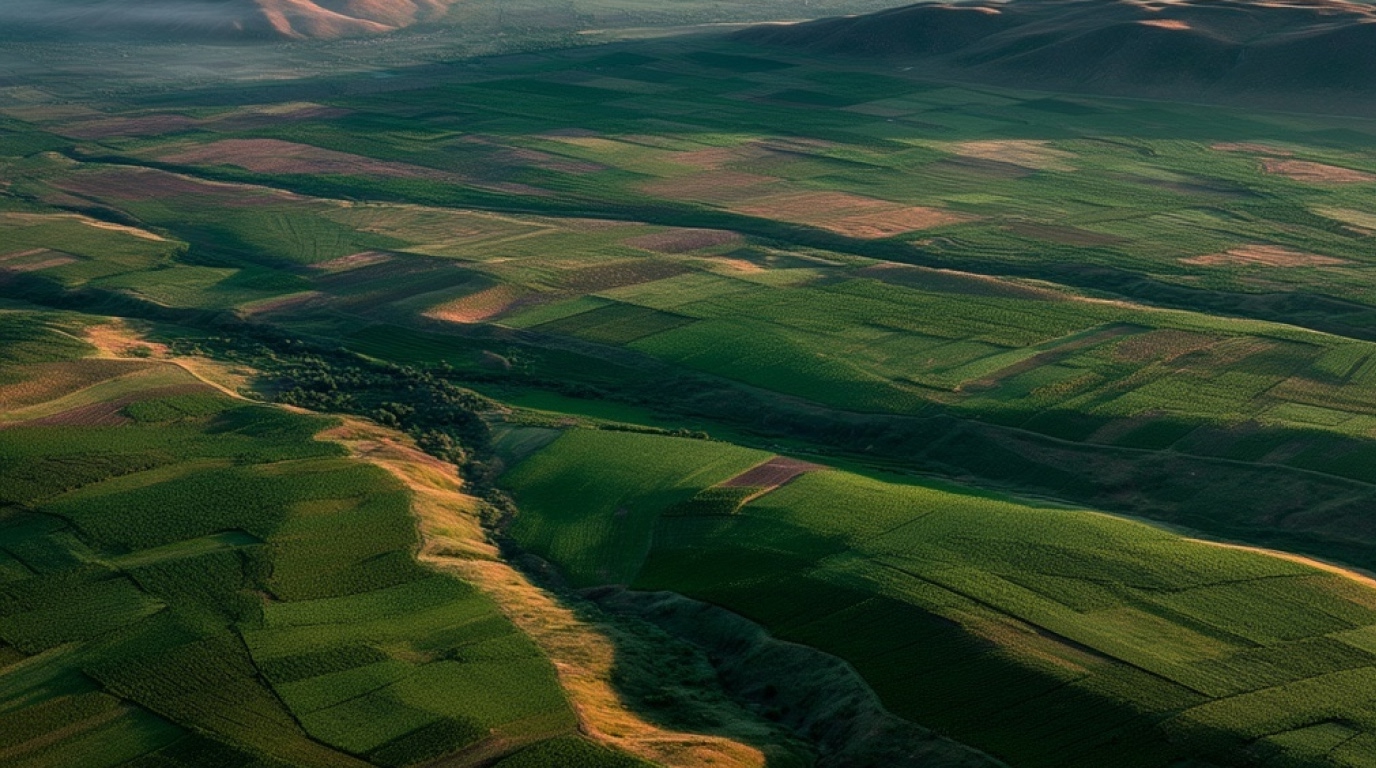
The grapes tell only part of the story. Armenia is a high-altitude wine country, and that elevation matters. Warm sunlight builds ripeness, while cool evenings help preserve acidity and aromatic clarity. The result is often a balance that feels both generous and energetic. A red can have ripe fruit without losing its line. A white can be expressive without becoming soft.
Regions That Give the Wines Their Voice
Vayots Dzor is central to any conversation about Armenian wine. Its rugged landscape, mountain air, and history make it a natural home for Areni Noir. Wines from the region can be perfumed and finely structured, with red fruit and earthy detail that become more interesting at the table.
Aragatsotn, in northwestern Armenia, offers elevated vineyards shaped by mountain conditions. The region is especially compelling for white varieties and wines where brightness, floral character, and mineral freshness are part of the experience. These are wines that invite a slower pour, particularly when served with food.
Armavir, located in the Ararat plain, has its own important place in the country’s viticultural landscape. Its warmer conditions and established vineyard culture contribute to a range of expressive styles, including aromatic whites and generous fruit-driven wines. As with every serious wine region, the vineyard, producer, harvest decisions, and aging choices matter as much as the region’s name.
That distinction is worth keeping in mind. Armenian wine is not one flavor. A stainless-steel Voskehat will speak differently from a barrel-aged white. A youthful Areni Noir may emphasize fresh raspberry and lively acidity, while a limited red matured in oak can reveal darker fruit, sweet spice, and a more contemplative structure. Place is the foundation; winemaking determines how that place reaches the glass.
The Styles Worth Seeking Out
If you are new to Armenian wine, begin with the style that best matches how you already drink. Dry white Voskehat is a natural entry point for fans of textured whites with freshness and personality. Serve it chilled, but not icy – around 50 to 55 degrees Fahrenheit allows its fruit, floral notes, and subtle savory character to emerge.
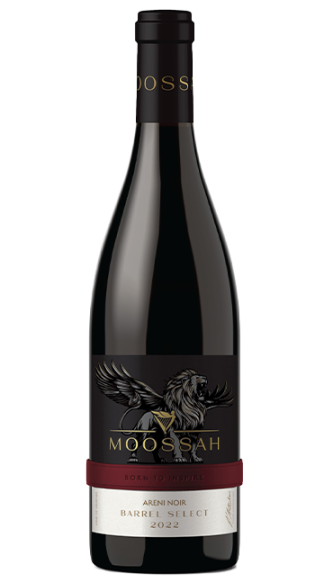
Areni Noir is a wise choice for red-wine drinkers who value finesse over sheer weight. It is especially good slightly cool, around 55 to 60 degrees Fahrenheit. That temperature protects its perfume and makes its tannins feel polished rather than firm. An oak-aged Barrel Select expression, matured for 18 months, can offer a deeper and more structured experience for those looking for a special-occasion bottle.
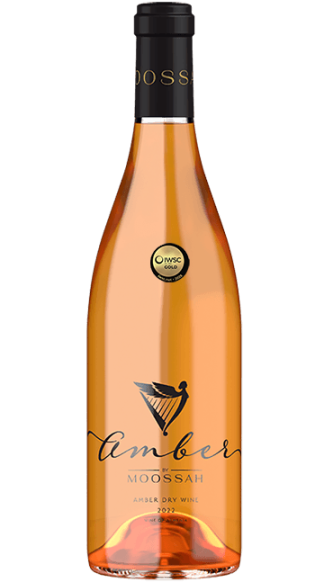
Amber wine deserves an open-minded approach. Made by fermenting white grapes with their skins, it combines the aromatic appeal of white wine with the texture and gentle tannin more commonly associated with reds. Expect color ranging from deep gold to burnished copper, along with flavors that can recall dried citrus, black tea, nuts, herbs, and stone fruit. Its structure makes it exceptionally food-friendly, especially with dishes that would overwhelm a delicate white.
Rosé from Milagh brings a different mood: vivid, bright, and made for long lunches, warm evenings, and food with a little spice. Do not mistake its color for simplicity. A well-made rosé has shape, acidity, and purpose.
Pair Armenian Wine With Food, Not Rules
Armenian wines are remarkably comfortable at the dinner table because Armenian food itself is built around contrast: grilled meats and fresh herbs, smoky vegetables and bright yogurt, warm bread and sharp pickles. The same qualities make these wines versatile with American cooking as well.
Pour dry Voskehat with grilled branzino, roast chicken with lemon, creamy pasta with spring vegetables, or a cheese board built around feta, aged gouda, and almonds. Its acidity refreshes the palate, while its texture prevents it from disappearing beside richer foods.
Areni Noir is particularly suited to lamb, duck, mushroom dishes, charred eggplant, burgers, and roasted pork tenderloin. For a more casual pairing, try it with a pepperoni pizza or a mushroom-and-sausage flatbread. The wine’s red-fruit brightness keeps the pairing lively, while its savory notes meet the browned, smoky flavors on the plate.
Amber Voskehat or a Voskehat-Muscat blend deserves equally flavorful company: roast squash, Moroccan-style chicken, pork with stone fruit, saffron rice, aged cheeses, or dishes built around nuts and warm spices. It is also one of the most rewarding wines to bring to a dinner party because it gives guests something to talk about before the first course arrives.
Rosé from Milagh works beautifully with salmon, grilled shrimp, spicy tacos, tomato salads, and herb-forward mezze. Its freshness makes it forgiving, which is useful when a table holds several dishes rather than one carefully planned entrée.
A Better Way to Taste Armenian Wine
Do not rush to identify Armenian wine by comparing it to a familiar bottle. Comparisons can be useful as a starting point, but they can also flatten what makes these wines meaningful. Instead, pay attention to three things: aroma, texture, and finish.
First, notice whether the aromas lean toward fresh fruit, flowers, dried herbs, spice, or earth. Then consider texture. Is the wine crisp and clean, silky and light, broad and rounded, or gently grippy from skin contact? Finally, let the finish settle. The most memorable wines often reveal their character after the sip, when fruit gives way to salt, stone, tea, or savory spice.
This is where Armenian wine becomes more than an interesting purchase. It becomes a sensory connection to a country whose wine culture has endured, adapted, and found a renewed global voice. Producers such as Moossah carry that conversation forward through native grapes, place-specific sourcing, and wines designed to be both experienced and remembered.
The next time you are choosing a bottle for a dinner worth lingering over, make room for Armenia. Start with the style that suits your table, serve it at the right temperature, and give the glass a few unhurried minutes. The wine will do the rest.