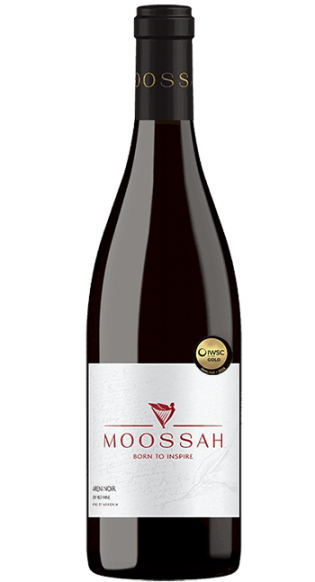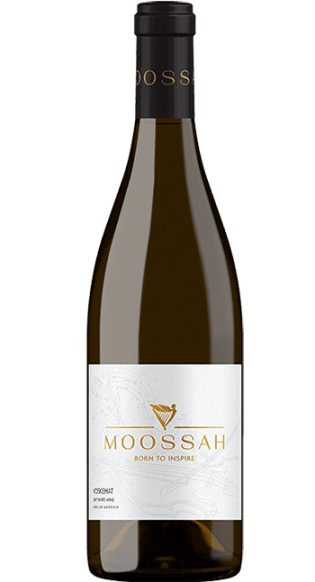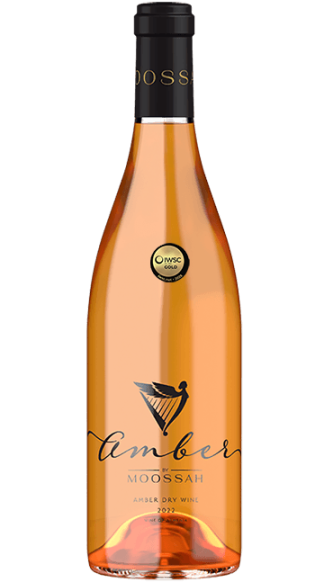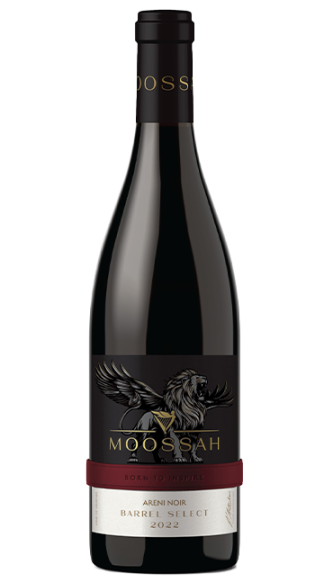
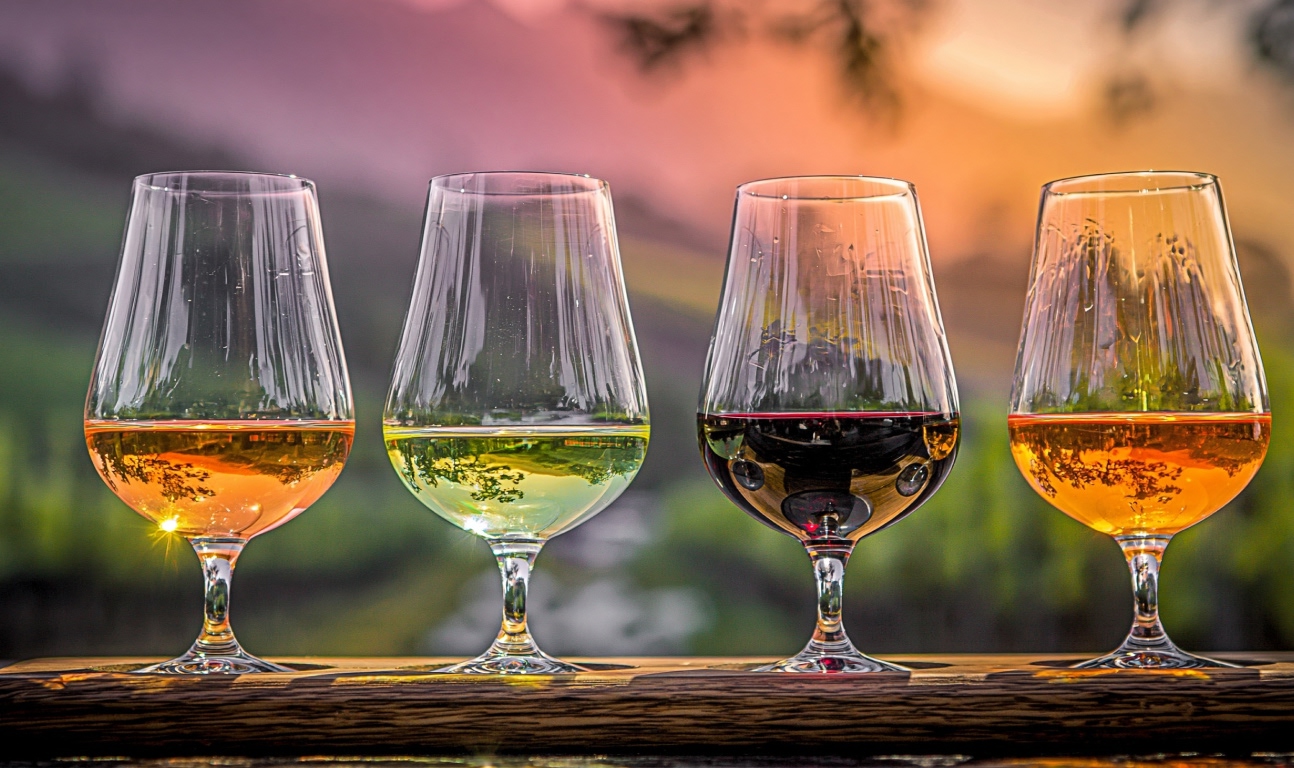
A bottle of Armenian wine can begin a conversation long before it is opened. The names on the label may be unfamiliar, yet they carry the character of high-altitude vineyards, native grapes, and a wine culture that reaches back thousands of years. To buy Armenian wine online is to choose something more personal than a predictable bottle: a taste of place shaped by mountain air, volcanic soils, family memory, and a living tradition.
For the curious drinker, Armenian wine offers both discovery and reassurance. Its most compelling bottles are not novelty purchases. They are precise, food-friendly wines with distinctive structure, increasingly recognized at major international competitions, and made from varieties that could not be mistaken for generic global wine.
What to Look for When You Buy Armenian Wine Online
Start with the grape, then look to the region and winemaking style. Armenian labels often lead with native varieties rather than the Cabernet, Chardonnay, or Pinot Noir names many American buyers know. That is part of their appeal, but it also means a little context goes a long way.
Areni Noir is Armenia’s signature red grape, especially associated with Vayots Dzor. It often brings lifted red-cherry and wild-strawberry fruit, savory spice, floral notes, and fresh acidity. Think of it as elegant rather than heavy. Depending on the producer and vintage, an Areni Noir may feel closer in spirit to a refined Pinot Noir or cool-climate Syrah than to a dense, oak-driven red.
Voskehat is one of the country’s essential white grapes. The name translates to “golden seed,” an apt image for wines that can show orchard fruit, white flowers, citrus peel, and a stony freshness. In a dry white style, it is a graceful choice for drinkers who enjoy texture and brightness without excessive weight.
The best online product descriptions should make these distinctions clear. Look for the vintage, grape composition, vineyard region, alcohol level, aging method, and a useful description of sweetness. Armenian wine is not one style. A crisp dry Voskehat, a pale and savory Milagh rosé, an amber wine with skin contact, and an oak-aged red each belong at different moments on the table.
Armenia’s Wine Regions Give the Bottle Its Voice
A region on the label is more than a geographic detail. It helps explain why a wine tastes the way it does.
Vayots Dzor is perhaps the name most wine lovers encounter first. Its elevated vineyards and dramatic landscape have made it a focal point for contemporary Armenian wine, particularly Areni Noir. Diurnal temperature shifts can preserve acidity and aromatic detail, helping reds retain poise even when they carry real flavor intensity.
Aragatsotn, in the shadow of Mount Aragats, offers another compelling expression of altitude. Its cooler conditions and varied soils can bring tension and definition to white wines and reds alike. Armavir, meanwhile, is an important historic wine-growing area where warm days and long growing seasons support ripeness while local viticultural knowledge guides balance.
When buying online, do not assume one region is inherently better than another. The more useful question is what you want from the wine. A bright, mineral-leaning white might be exactly right for raw bar dishes or a summer dinner. A fuller red shaped by longer oak aging may be the better choice for a celebratory roast or a cellar-worthy gift.
Why Native Grapes Matter
Native grapes are not simply a marketing story. They offer flavors and structures developed over generations in Armenia’s particular climate and soils. Areni Noir’s freshness, Voskehat’s texture, and the aromatic possibilities of Muscat create a vocabulary that conventional wine regions cannot replicate.
That distinction matters for collectors, but it is just as meaningful for an adventurous beginner. You do not need a specialist’s palate to recognize the pleasure of drinking a wine that feels original. The goal is not to memorize every variety. It is to find wines that make you pause, pour another glass, and ask where this flavor has been all along.
Choose an Armenian Wine Style for the Occasion
A dry white Voskehat is often the most approachable entry point. Serve it cool, but not ice-cold, so its floral and stone-fruit character has room to open. It is a natural companion for grilled fish, lemon-herb chicken, fresh cheeses, and dishes with olive oil, yogurt, or herbs.
For red wine drinkers, Areni Noir is an excellent place to begin. Its vivid fruit and finely shaped tannins work beautifully with lamb, mushrooms, eggplant, charred peppers, and spiced poultry. If you usually reach for lighter reds, serve it slightly cool. That small adjustment can sharpen its aromatics and make its energy even more apparent.
Amber wine offers a different kind of experience. These wines are typically made with white grapes fermented or macerated on their skins, giving them deeper color, more texture, and often notes of dried apricot, tea, spice, and citrus peel. An amber Voskehat or Voskehat-Muscat blend is a thoughtful choice for orange-wine enthusiasts, but it can also convert a curious white-wine drinker when paired with roasted squash, aged cheese, nuts, or richly seasoned dishes.
Rosé made from Milagh brings another side of Armenian wine into view. It is often best for relaxed meals and gatherings, where its freshness can move easily from appetizers to grilled vegetables and seafood. For a more formal occasion, a limited barrel-aged red can offer broader structure, oak-derived spice, and the patience to evolve in the glass.
Read Online Wine Details Like a Confident Buyer
Online shopping asks you to make a sensory decision without lifting the bottle or speaking to a sommelier. A strong winery page should replace uncertainty with meaningful detail, not vague claims.
Pay attention to whether a wine is described as dry, off-dry, or sweet. Check the grape variety and whether it is a single-varietal wine or a blend. If oak is mentioned, consider the length and style of aging. Oak can lend polish, spice, toast, and texture, but it should support the fruit and terroir rather than conceal them.
Awards can also be useful when read in context. A medal from a respected international competition is not a substitute for your own taste, but it is third-party evidence that a wine has been evaluated seriously. For a buyer taking a chance on an unfamiliar region, recognition such as IWSC Gold or Concours Mondial de Bruxelles results can offer welcome confidence.
At Moossah Wines, this balance of heritage and exacting modern standards is central to the experience. Wines rooted in Armenian grapes and family history are presented with the details discerning buyers need: region, style, aging, and the sensory character of each release.
A Few Practical Considerations Before Ordering
Check that shipping is available to your state before filling your cart. Wine shipping rules vary across the United States, and adult signature requirements are standard. If warm weather is a concern, consider your delivery timing carefully. A premium bottle deserves protection from extreme temperatures as much as it deserves a proper glass.
If you are buying several bottles, build a small Armenian wine tasting rather than choosing one style repeatedly. A dry white, an Areni Noir, and an amber wine create a revealing progression. Start with the white, move to the amber, then pour the red. You will taste not only different grapes but different interpretations of Armenian terroir and winemaking.
For gifting, choose with the recipient’s habits in mind. An experienced collector may appreciate a limited oak-aged release or a medal-winning amber wine. For someone new to Armenian wine, a dry Voskehat or elegant Areni Noir offers a generous first introduction without requiring prior knowledge.
The most rewarding bottle is not necessarily the rarest or the boldest. It is the one that meets the moment: a chilled Voskehat beside a bright dinner, an Areni Noir shared over a long table, or an amber wine poured slowly enough to reveal its layers. Let the label be an invitation, then let the glass carry you closer to Armenia.