To hold a glass of Armenian wine is to taste history itself. For many wine lovers, understanding why Armenia is the cradle of wine requires a journey back through thousands of years of culture, geology, and myth. Nestled in the dramatic highlands of the South Caucasus, this beautiful land has nurtured grapevines since the dawn of civilization. In fact, our ancestors were tending to wild grapes while much of the world was just beginning to establish permanent settlements. Today, we invite you to explore this fascinating history and discover how ancient traditions continue to shape every bottle we craft at Moossah.
The Archaeological Revelation of Areni-1
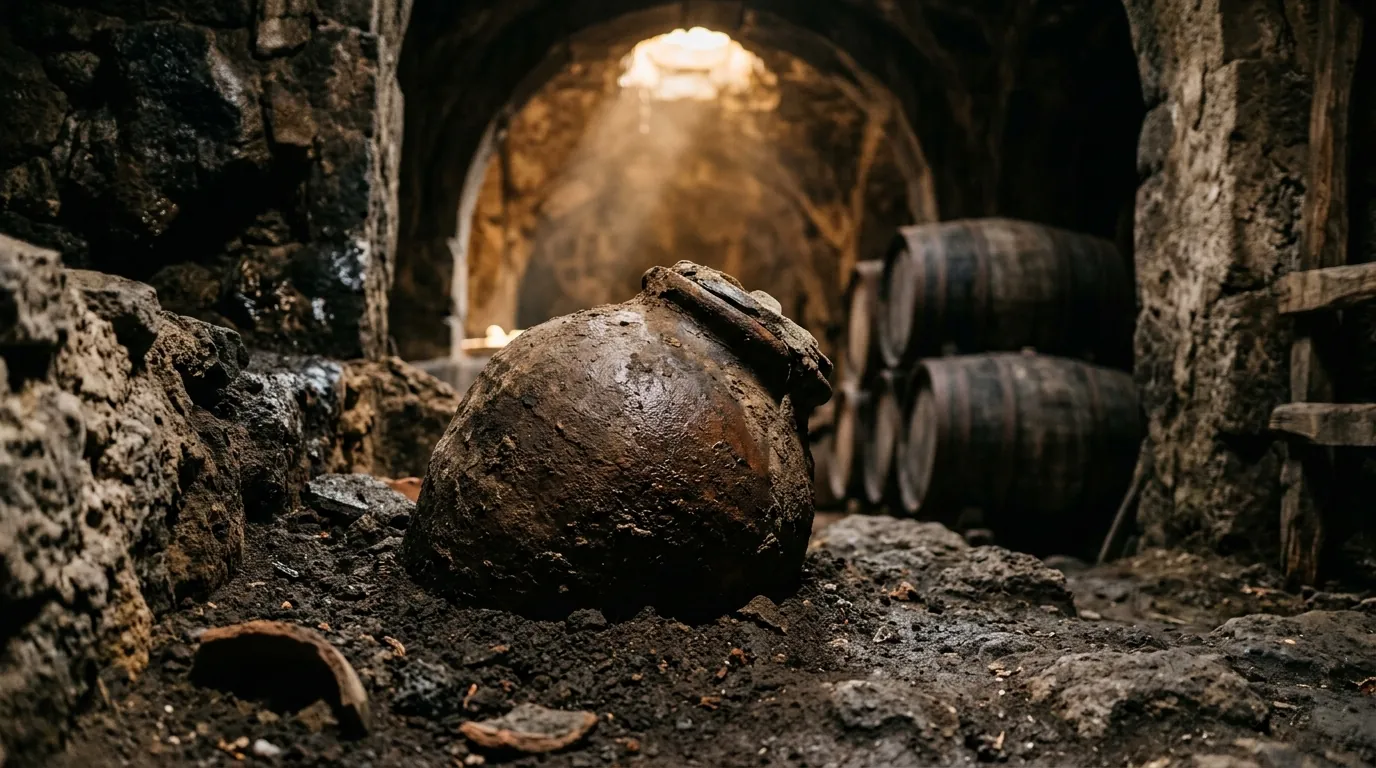
When discussing the ancient origins of viticulture, scientists and historians always point to the Areni-1 cave complex. Located in the Vayots Dzor region, this remarkable archaeological site forever changed how we understand the history of winemaking. In 2007, researchers unearthed a 6,100-year-old winemaking facility, making it the oldest winery in the world discovered to date.
What was found in the Areni-1 cave in Armenia? The cave preserved an astonishingly sophisticated operation, including a clay wine press, fermentation vats, storage jars, and even desiccated grapevines and seeds. Meanwhile, chemical analysis of the pottery shards confirmed the presence of malvidin, a compound that gives red wine its vibrant color. This suggests that these early winemakers were not merely fermenting wild grapes by accident. Consequently, this discovery provided the physical proof that the world needed to recognize Armenia’s foundational role in wine history.
The South Caucasus Debate: Armenia vs. Georgia
Of course, wine history is rarely simple, and it often sparks friendly rivalries. Many wine enthusiasts naturally ask: Did wine originate in Armenia or Georgia? Which country is the true birthplace of wine?
Both nations boast deep, rich histories that stretch back into the mists of time. Georgia has discovered chemical traces of wine on pottery dating back nearly 8,000 years, making it an incredibly strong contender for the earliest production of fermented grape juice. However, Armenia holds the title for the earliest complete, structured winemaking facility ever found.
As Forbes reported, this distinction is key in the birthplace debate. Georgia may have the oldest evidence of wine itself, but Armenia boasts the earliest evidence of a dedicated winemaking industry. When people ask why Armenia is the cradle of wine, they often point to this industrial-scale organization. The Areni-1 cave proves that winemaking was already a highly organized social and economic activity in Armenia more than six millennia ago. Rather than choosing one over the other, it is perhaps most accurate to celebrate the entire South Caucasus as the singular region that gifted wine to humanity.
The Biblical Connection: Noah’s Vineyard
Beyond archaeological science, there is also a profound legendary and spiritual dimension to Armenia’s wine story. For centuries, people have asked: Did Noah plant the first vineyard in Armenia?
According to the Book of Genesis, Noah’s Ark came to rest on the mountains of Ararat after the great flood subsided. As he stepped out onto the fertile land of the Ararat valley, the Bible notes that Noah planted a vineyard and drank the wine. In addition to being a beautiful narrative of rebirth, this legend has deeply influenced Armenian culture. Ararat remains a sacred national symbol, watching over many of our finest contemporary vineyards. This spiritual connection is another beautiful layer in understanding why Armenia is the cradle of wine.
Why Armenia Is the Cradle of Wine: Terroir and Tradition
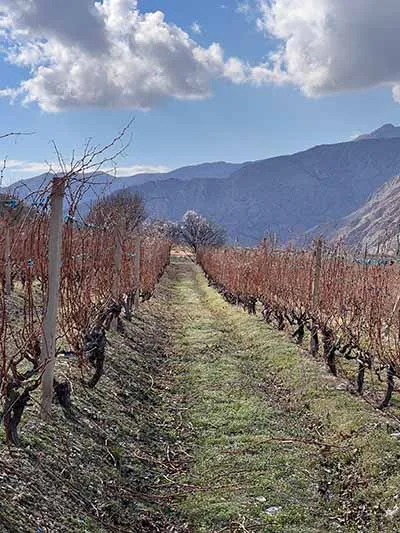
To truly understand the longevity of our wine culture, we must look at the land itself. Armenia’s unique terroir features high-altitude vineyards, intense volcanic soils, and dramatic temperature swings between day and night. These challenging conditions force the vines to struggle, which in turn coaxes deep, complex flavors out of the grapes.
Furthermore, Armenia is home to hundreds of indigenous grape varieties that have never been hybridized or touched by modern phylloxera. To experience these flavors is to step into a living museum. If you are ready to explore these unique tastes, we invite you to Discover Armenia through our carefully curated collection.
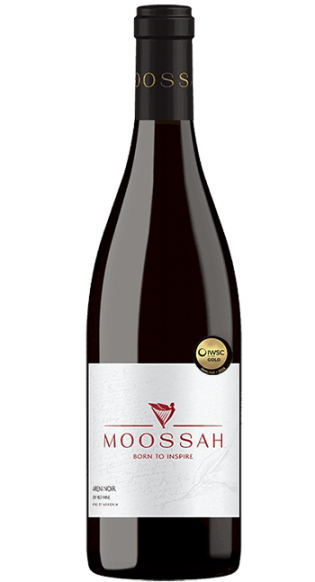
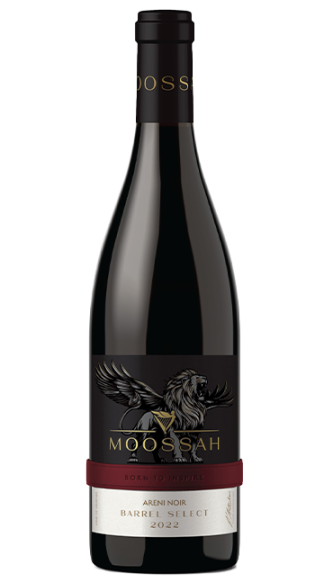
At Moossah, we honor this ancient heritage with our signature Moossah Areni Noir. This elegant red wine is crafted from the historic Areni grape, offering a beautiful harmony of ripe cherries, wild berries, and delicate spices. It is a direct descendant of the very grapes that grew near the Areni-1 cave thousands of years ago.
Answering Your Questions About Armenia’s Wine Heritage
To help you navigate the rich history of our homeland, we have gathered answers to some of the most common questions wine lovers ask about Armenia.
Is Armenia the oldest wine-producing country?
Yes, Armenia is recognized as having the oldest verified winery in the world at Areni-1. While other regions in the Near East have found ancient traces of grape fermentation, Armenia provides the earliest physical evidence of a complete, dedicated winemaking facility.
Is Armenia really the cradle of wine?
Indeed, it is. If you want to understand why Armenia is the cradle of wine, look no further than the combination of the Areni-1 archaeological site, the country’s ancient indigenous grape varieties, and its deep-rooted cultural and biblical traditions.
What makes Armenian wine unique today?
Armenian winemakers today are bridging the gap between antiquity and modernity. We combine ancient methods, such as fermenting wine in traditional clay jars called karas, with state-of-the-art modern winery technology. As a result, we create wines that feel both completely unique and deeply familiar to contemporary palates.
A Toast to Ancient Beginnings
Armenia’s journey from ancient caves to modern dining tables is a testament to the resilience of our land and our people. When you open a bottle of Moossah, you are not just tasting a delicious wine; you are tasting history, volcanic soil, and thousands of years of love for the vine.
We invite you to raise a glass to the cradle of wine. Explore our collection today and bring a piece of Armenia’s timeless heritage into your home. Cheers, or as we say in Armenia, Kenats!