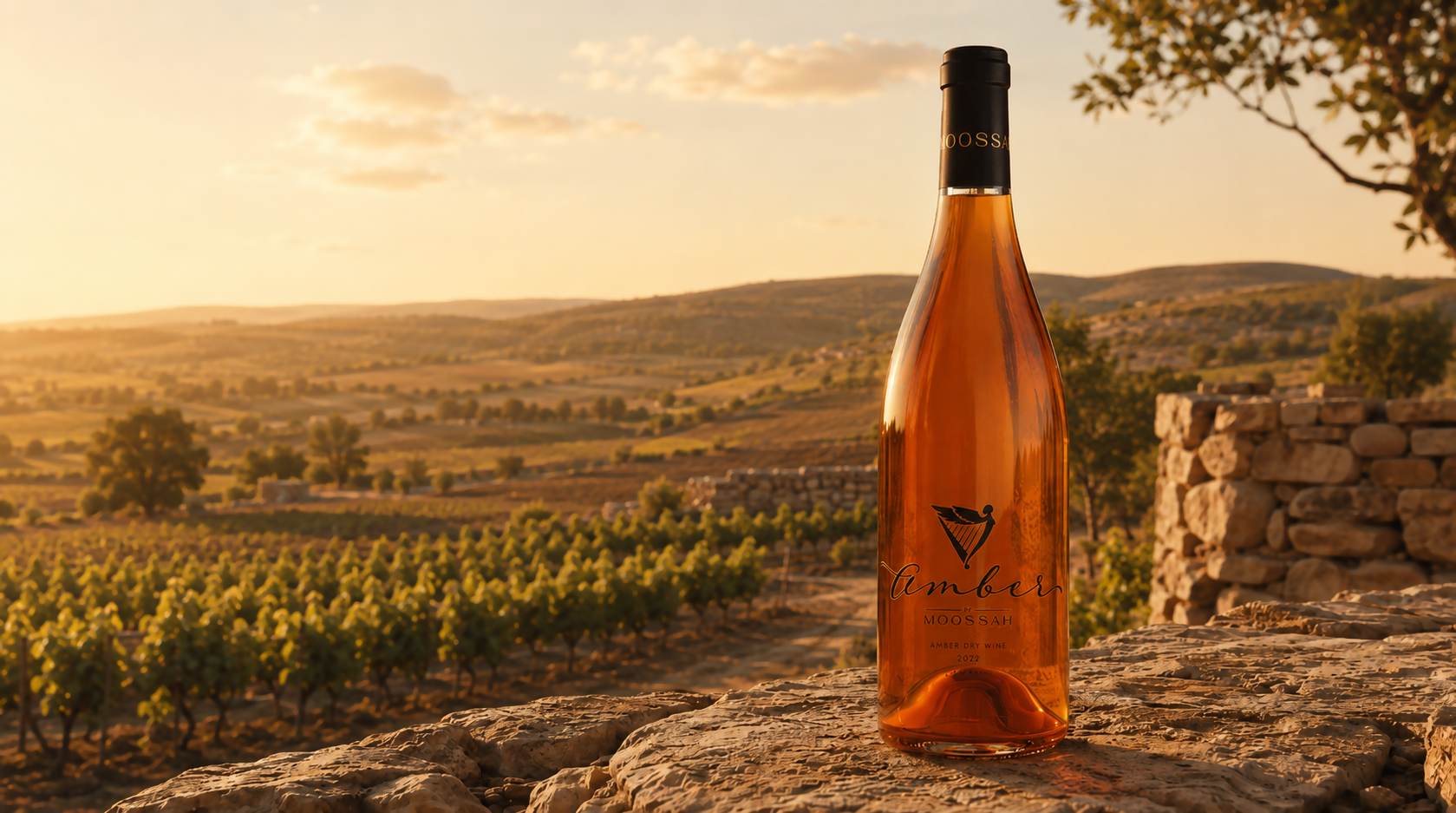
Have you ever poured a glass of wine that glows like liquid autumn? If you have recently discovered the trendy, copper-hued drink taking over wine bars worldwide, you might be wondering: what is orange wine? While it may seem like a modern beverage trend, this captivating style actually traces its roots back thousands of years to the cradle of viticulture in Armenia. Our country, with its high-altitude vineyards and volcanic soils, has been perfecting this ancient amber wine tradition for millennia.
What Is Orange Wine, and Is It Made from Oranges?
Let us clear up the most common misconception right away. Despite its vibrant name, orange wine is not made from oranges or any other citrus fruits. In fact, it is made entirely from white wine grapes.
The name refers solely to the striking, warm color of the liquid in your glass. This beautiful hue can range from pale gold and deep amber to a rich, glowing copper. Meanwhile, the flavor profile is completely different from a standard white wine, offering a complex experience that bridges the gap between white and red wines.
How Is Amber Wine Made? The Art of Skin Contact
To understand this style, we must look at how traditional wines are made. When vintners make classic white wine, they press the grapes immediately and ferment only the juice, discarding the skins. However, to create a skin-contact wine, winemakers leave the juice of white grapes in contact with their skins, seeds, and sometimes even the stems during fermentation.
Because of this prolonged maceration, this category is often called skin-contact wine. The skins of white grapes contain natural pigments, phenols, and tannins. As a result of this extended contact, which can last from a few days to several months, the wine absorbs those rich amber colors, complex aromas, and structural tannins. In addition, this ancient method acts as a natural preservative, requiring minimal chemical intervention.
Orange Wine vs. Amber Wine: What is the Difference?
If you travel through Armenia, you will hear the term “orange wine” and “amber wine” used by local winemakers. Why is there a difference in terminology?
In truth, the two terms describe the exact same winemaking process. The term “orange wine” was actually coined in 2004 by a British wine importer to describe skin-contact white wines to Western consumers. On the other hand, “amber wine” is the historical, culturally accurate name used in the Caucasus region for over 6,100 years. At Moossah we prefer the term “amber” because it beautifully reflects the precious, glowing resin of ancient forests and honors the deep historical roots of the region. When translated to Armenian, the wine is called “sate”, the Armenian translation of Amber stone.
What Does Amber Wine Taste Like?
If you are trying skin-contact wine for the first time, prepare your palate for a delightful surprise. Because it is fermented with grape skins, it does not taste like a typical crisp white wine. Instead, it possesses the refreshing acidity of a white wine combined with the robust texture and tannin structure of a light red wine.
Typically, you will experience a rich bouquet of dried stone fruits, orange peel, apricot, and bruised apple. In addition, many of these wines display savory notes of black tea, toasted nuts, sourdough, and wild honey. Because of these complex, grippy tannins, they pair exceptionally well with hearty dishes that would normally overpower a standard white wine, such as roasted poultry, cured meats, and spiced Armenian cheeses.
The Karas: Armenia’s Ancient Clay Vessel
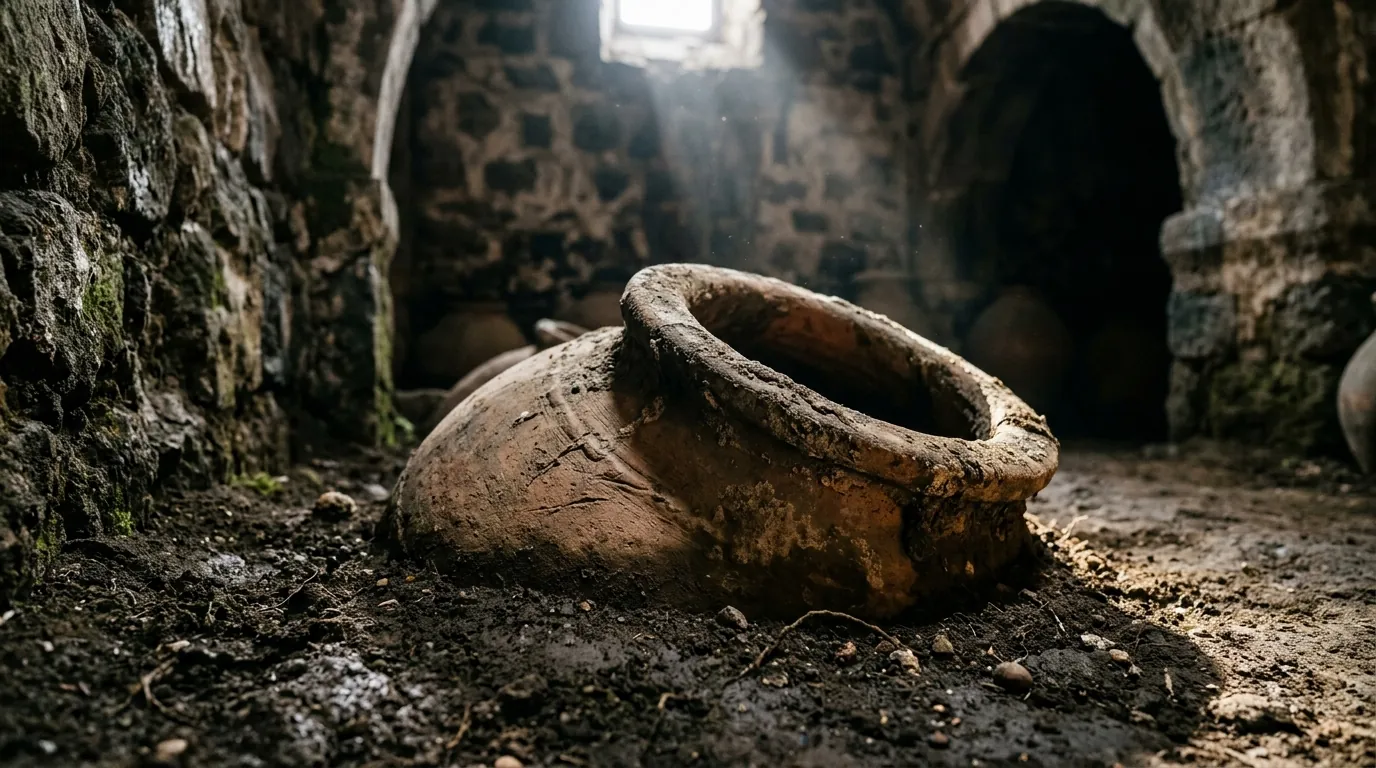
You cannot fully explore the history of Armenian amber wine without understanding the karas. A karas is a large, egg-shaped clay amphora used for fermenting and aging wine. This vessel is a cornerstone of Armenia’s ancient winemaking identity, dating back to the Areni-1 cave discoveries from 4,100 BC.
Traditionally, these clay vessels are buried deep in the cool earth of winery cellars. Fermenting wine inside a buried karas allows for natural temperature control. Furthermore, the porous clay allows a tiny amount of oxygen to interact with the wine, softening the tannins and developing a beautifully rounded, earthy character. This ancient vessel is why Armenian amber wines carry such a profound sense of place and history. The modern orange wines in Armenia are rarely made in clay amphoras or vessels. They are made in stainless steep. This give the wine a purer structure.
Moossah Amber Dry: A Modern Taste of Ancient History
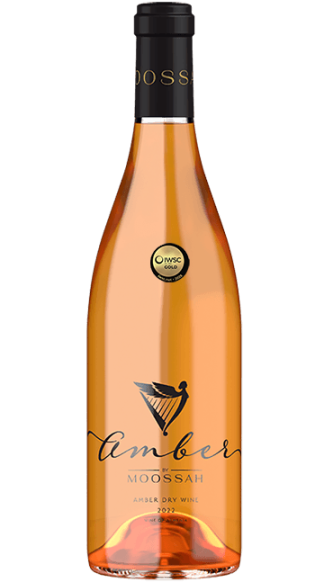
At Moossah, we honor these ancient techniques while bringing a refined, modern elegance to the glass. Our signature skin-contact offering, Moossah Amber Dry, is crafted from indigenous Armenian grape varieties Muscat and Voskehat grown in the high-altitude, volcanic soils of the Aragatsotn region.
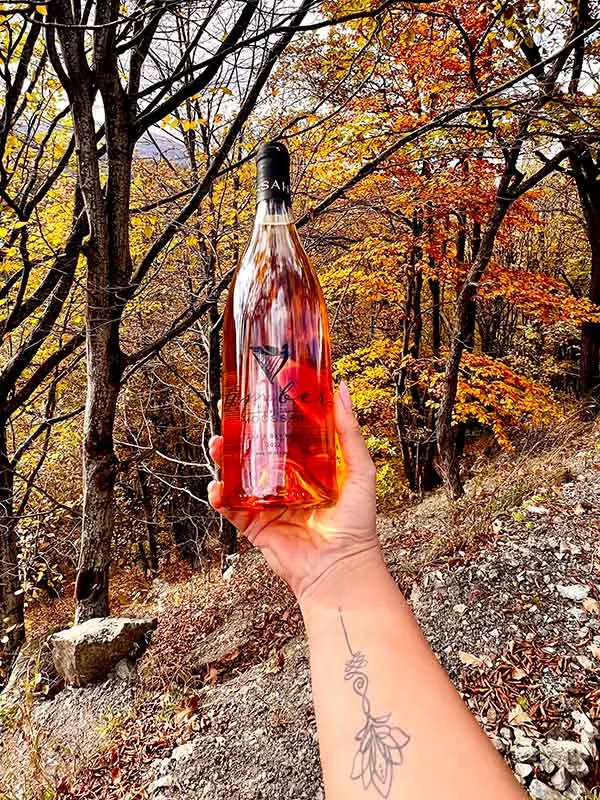
Through careful, limited skin contact, we have captured a stunning harmony between ancestral heritage and clean, modern winemaking. This exceptional wine pours a glowing, brilliant amber. On the nose, it reveals delicate notes of dried apricot, wild mountain herbs, and a whisper of sweet spice. On the palate, the experience is beautifully structured with gentle, velvety tannins and a long, mineral-rich finish. It is, in fact, the perfect introduction for anyone curious to explore the rich depths of Armenian winemaking.
Moossah’s Amber wine is internationally recognized including an IWSC Trophy for the best Orange wine of 2025. Our family takes a great pride in crafting this exceptional and award-winning wine.
Frequently Asked Questions About Orange Wine
To help you navigate your journey into this fascinating category, we have gathered answers to some of the most common questions wine enthusiasts ask.
Is skin-contact wine the same as natural wine?
While they often go hand in hand, they are not the same thing. “Orange wine” refers specifically to a style of winemaking—white grapes fermented on their skins. “Natural wine,” meanwhile, is a broader philosophy focused on organic farming and minimal intervention in the cellar. In fact, while many orange wines are made naturally, a winemaker can produce a skin-contact wine using conventional methods.
Why is it called skin-contact wine?
It is called skin-contact wine because the white grape juice remains in contact with the solid grape skins during the fermentation process. In conventional white winemaking, the skins are removed immediately before fermentation begins.
Should I serve it cold?
Yes, but not ice-cold. If you serve it too cold, you will mask the complex aromas and make the tannins feel overly harsh. Ideally, serve it slightly warmer than a typical white wine, around 12–14°C (54–57°F), to allow its rich bouquet to fully open up.
Embrace the Amber Tradition
Whether you call it orange wine, amber wine, or skin-contact wine, there is no denying the magical complexity of this ancient style. Pouring a glass is like taking a step back in time, connecting with thousands of years of Armenian history and craftsmanship. We invite you to gather your friends, open a bottle, and experience this liquid history for yourself.
Discover Moossah Amber Wine now.