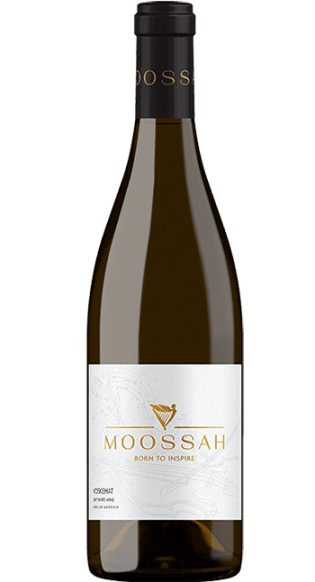
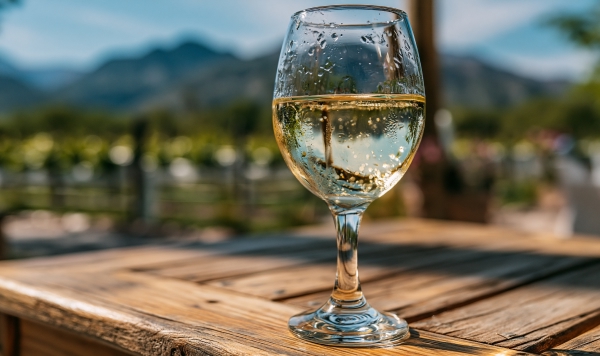
A glass of Voskehat rarely behaves like the white wine you expect. Its name translates to “golden seed,” but the first impression is not simply richness. Ask what does Voskehat taste like, and the most honest answer begins with contrast: sun-ripened orchard fruit held in place by mountain air, a generous mid-palate sharpened by natural freshness, and a savory edge that makes another sip feel inevitable.
For wine drinkers accustomed to Sauvignon Blanc, Pinot Grigio, Chardonnay, or Albariño, Voskehat offers a new reference point. It can be bright without being piercing, textured without becoming heavy, and aromatic without becoming overtly perfumed. This is one of Armenia’s defining white grapes, shaped by high-elevation vineyards, volcanic and mineral-rich soils, and a winemaking culture that has been refining its relationship with the vine for millennia.
What Does Voskehat Taste Like in the Glass?
In a dry, modern expression, Voskehat often opens with white peach, pear, golden apple, and apricot. Depending on the vintage and vineyard, you may also find lemon peel, quince, acacia blossom, chamomile, or a subtle note of fresh herbs. The fruit profile is usually elegant rather than tropical. Think of an orchard in late summer, not a bowl of pineapple and mango.
The defining feature is texture. Voskehat can feel gently rounded and almost waxy across the palate, especially when the grapes are fully ripe or the wine has spent time resting on its lees. That softness is usually balanced by a clean line of acidity, which can bring citrus, saline, or stony notes into focus. The finish is often dry, lightly nutty, and quietly savory.
A well-made bottle does not need dramatic oak or residual sugar to make an impression. Its interest comes from the way fruit, mineral character, and structure move together. One sip may suggest pear and lemon blossom; the next may feel more like almond skin, wet stone, and dried herbs.
The role of Armenian terroir
Voskehat is deeply responsive to where it grows. Armenia’s vineyards frequently sit at elevations that would surprise many American wine drinkers, where warm days help grapes reach ripeness and cool nights preserve fragrance and acidity. This daily shift in temperature gives the wines tension. Fruit can taste generous, yet the wine remains poised.
Soils also matter. In regions such as Aragatsotn, Vayots Dzor, and Armavir, volcanic material, limestone, clay, and rocky terrain can lend different shades of character. A Voskehat from a warmer site may show more apricot, yellow apple, and breadth. A high, cooler vineyard may lean toward citrus, white flowers, and a more pronounced mineral finish. There is no single flavor formula, which is precisely why the grape rewards attention.
Dry White Voskehat Versus Orange Voskehat
The question of what Voskehat tastes like has a second answer: it depends greatly on how it is made. The grape can produce both polished dry white wine and compelling amber, or orange, wine. They share a family resemblance, but their textures and flavors can be markedly different.
Dry white Voskehat is typically pressed off its skins early. Its profile tends to be clearer and more lifted, with stone fruit, apple, citrus, flowers, and a finely textured finish. It is the expression to choose when you want a white that feels distinctive but immediately welcoming at the table.
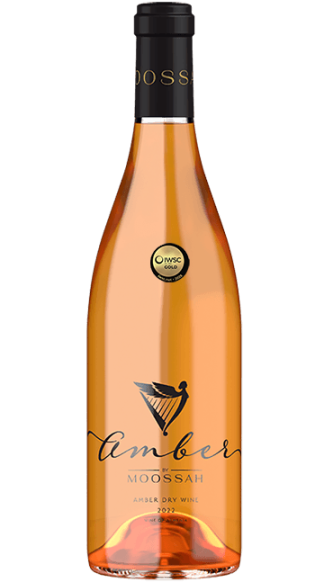
Orange Voskehat spends extended time fermenting or resting with grape skins. That contact contributes color, grip, and a more complex aromatic register. Expect dried apricot, orange peel, tea, ginger, honeycomb, walnuts, and sometimes a gently tannic finish similar to the faint tug of steeped black tea. It is not necessarily sweet. In fact, many amber wines are completely dry, but their depth and texture can create an impression of richness.
For a first experience with Voskehat, dry white is often the most direct introduction to the grape’s freshness and orchard-fruit character. For a drinker who enjoys skin-contact wines, sherry-like nuttiness, or structured whites from places such as Georgia and Friuli, amber Voskehat offers a more contemplative route.
Is Voskehat Similar to Chardonnay or Sauvignon Blanc?
Comparisons can help, as long as they do not flatten the wine’s identity. Voskehat is not a replacement for a familiar grape. It is a native Armenian variety with its own shape and rhythm.
It can share Chardonnay’s texture, particularly when it has lees aging or measured oak influence, but it is generally less buttery and less defined by vanilla or toast. Its fruit is often more quince-and-apricot than ripe lemon curd. Compared with Sauvignon Blanc, Voskehat may have a similar freshness and occasional herbal lift, yet it is usually softer, broader, and less overtly grassy.
Some drinkers find echoes of Viognier in its stone-fruit perfume, or Pinot Gris in its weight and gentle spice. Others notice a kinship with Assyrtiko in its mineral edge. Each comparison reveals one small facet. None captures the full experience.
The better question is whether you enjoy whites with character. If you appreciate wines that bring fruit, acidity, and texture into balance rather than foregrounding one trait, Voskehat is likely to feel at home in your glass.
How to Serve Voskehat for Its Best Expression
Serve dry Voskehat cool, around 48 to 54°F. Straight from a very cold refrigerator, it may seem restrained and overly sharp. Give it ten minutes in the glass or at the table, and its orchard fruit and savory complexity begin to emerge. A standard white wine glass is ideal because it gives the aromas room to open.
Amber Voskehat benefits from a slightly warmer pour, around 54 to 58°F. Too cold, and its texture can feel closed. At the right temperature, the wine’s dried-fruit, tea, and spice notes become more expressive while its tannin feels more integrated.
Neither style needs elaborate ceremony, but both reward a little patience. Swirl, take a first sip, then return after a few minutes. Voskehat is a wine that often reveals itself in layers rather than announcing everything at once.
Foods That Bring Out Voskehat’s Character
Voskehat’s natural balance makes it unusually adaptable at the table. Dry versions are especially good with grilled trout, branzino, roast chicken, and creamy pasta with spring vegetables. The wine’s acidity refreshes richer dishes, while its soft fruit complements delicate proteins instead of overwhelming them.
It also has an instinctive affinity for Armenian and Eastern Mediterranean flavors. Try it with herb-filled dolma, lavash, hummus, grilled halloumi, lemony chicken, or roasted eggplant. Salty cheeses, almonds, and fresh herbs draw out its savory side. If the dish includes apricot, peach, or a restrained touch of warm spice, the pairing can feel particularly natural.
Amber Voskehat calls for deeper flavors. Mushrooms, roasted squash, duck, pork, aged cheeses, and dishes seasoned with cumin, coriander, saffron, or smoked paprika can meet its structure beautifully. It is also a fine companion to a cheese board when you want more presence than a conventional white provides.
The trade-off is spice level. With very hot chile dishes, alcohol and tannin can amplify heat, especially in orange styles. Choose a dry white Voskehat with lower perceived weight, or serve the amber version well chilled, if spice is central to the meal.
Why Voskehat Feels So Distinctive
Part of Voskehat’s appeal is that it offers discovery without requiring a lesson before the first sip. It is rooted in a wine culture older than many of the world’s best-known regions, yet it speaks clearly to a modern palate: fresh, dry, food-friendly, and full of detail.
At Moossah, that connection between place and precision is central. Armenian native grapes are not treated as curiosities. They are given the careful vineyard sourcing and contemporary winemaking needed to show why they belong on a serious wine table.
Voskehat invites a different kind of wine experience. Pour it alongside a meal worth lingering over, let the temperature rise slightly in the glass, and allow its golden-fruit brightness and stony depth to tell their own story.