
What the research says about moderate wine consumption
Some observational studies have explored associations between moderate wine consumption and certain health markers, including cardiovascular indicators — a pattern sometimes referred to as the “French Paradox.” However, major health organizations, including the World Health Organization, are clear that no amount of alcohol consumption has been established as safe for improving health, and observational studies like these can’t prove that wine itself caused any benefit — other lifestyle factors common among moderate drinkers may play a role too.
In short: if you already enjoy wine, moderate consumption isn’t something current research treats as harmful in the way heavy drinking clearly is — but starting to drink wine specifically for health benefits isn’t something health authorities recommend either.
If you choose to drink, moderation is generally defined as:
- Up to one glass (roughly 150ml) per day for women
- Up to two glasses per day for men
- Several alcohol-free days per week
Voskehat: Armenia’s native white grape
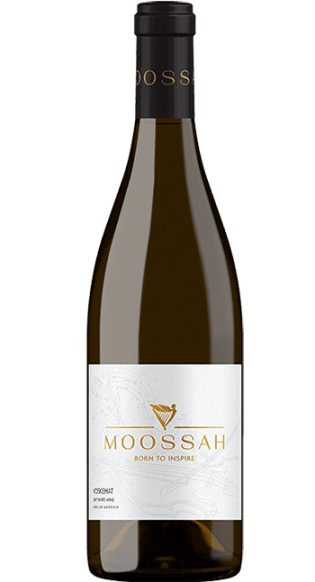
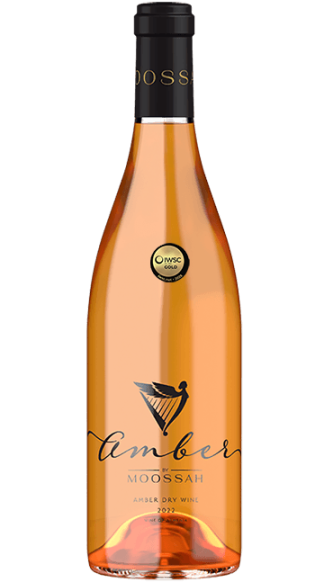
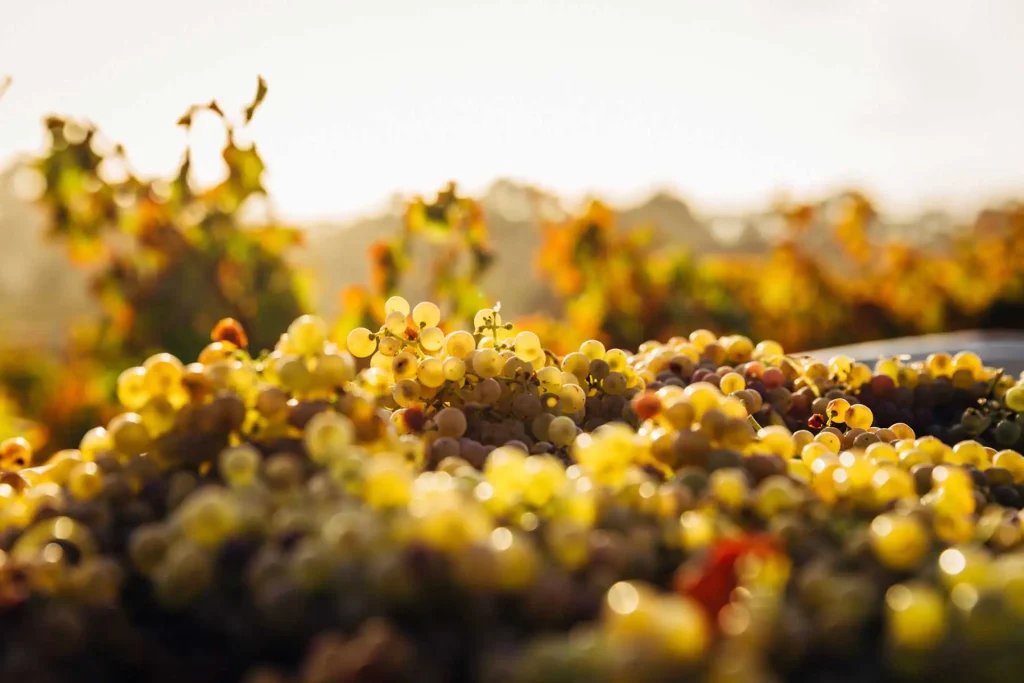
Much of what makes a specific white wine distinctive comes down to the grape itself, not just “white wine” as a category. Voskehat — sometimes called the “queen” of Armenian grapes — has been cultivated in Armenia for thousands of years, prized for its floral aromas, bright acidity, and elegant finish. Moossah White Dry Voskehat is made entirely from this native grape, grown in the Aragatsotn region — expressive, fresh, and true to its Armenian roots. Amber wine: Voskehat with extended skin contact Moossah also produces an amber-style wine — Moossah Amber Dry, a blend of Voskehat and Muscat, made using prolonged skin contact during fermentation. This traditional method, recognized as a UNESCO intangible cultural heritage practice, gives the wine a deeper color, more tannic structure, and a more complex flavor profile than a typical white wine — while still being made from the same indigenous grape.
Enjoying white wine responsibly

Whatever the research eventually settles on, the clearest, best-supported guidance is the simplest: enjoy wine in moderation, alongside food, and as part of an overall balanced lifestyle — not as a health strategy on its own. If you’d like to explore Armenia’s native white grape for yourself, Moossah White Dry Voskehat and Moossah Amber Dry are both crafted from Voskehat, grown in Armenia’s Aragatsotn region.